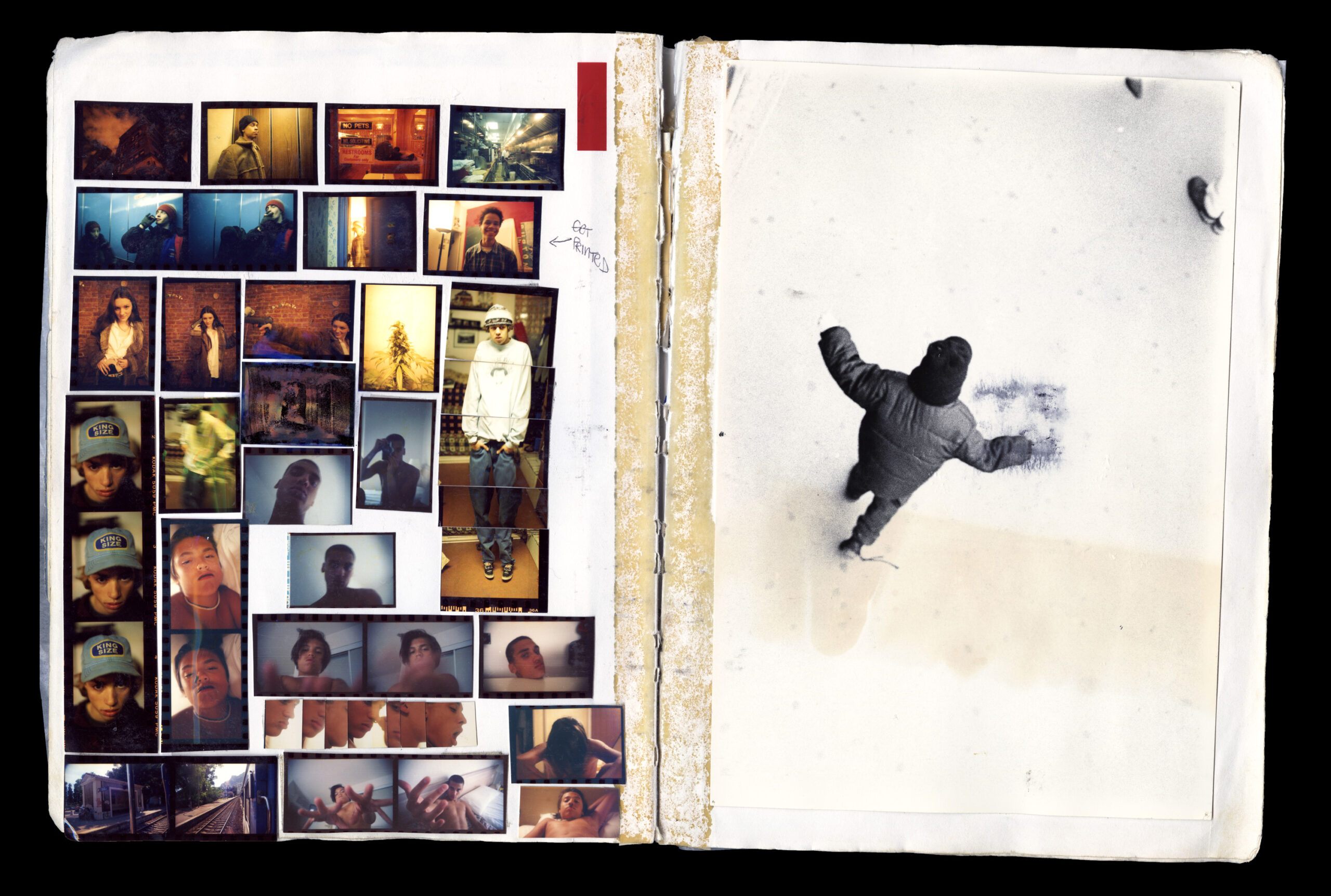

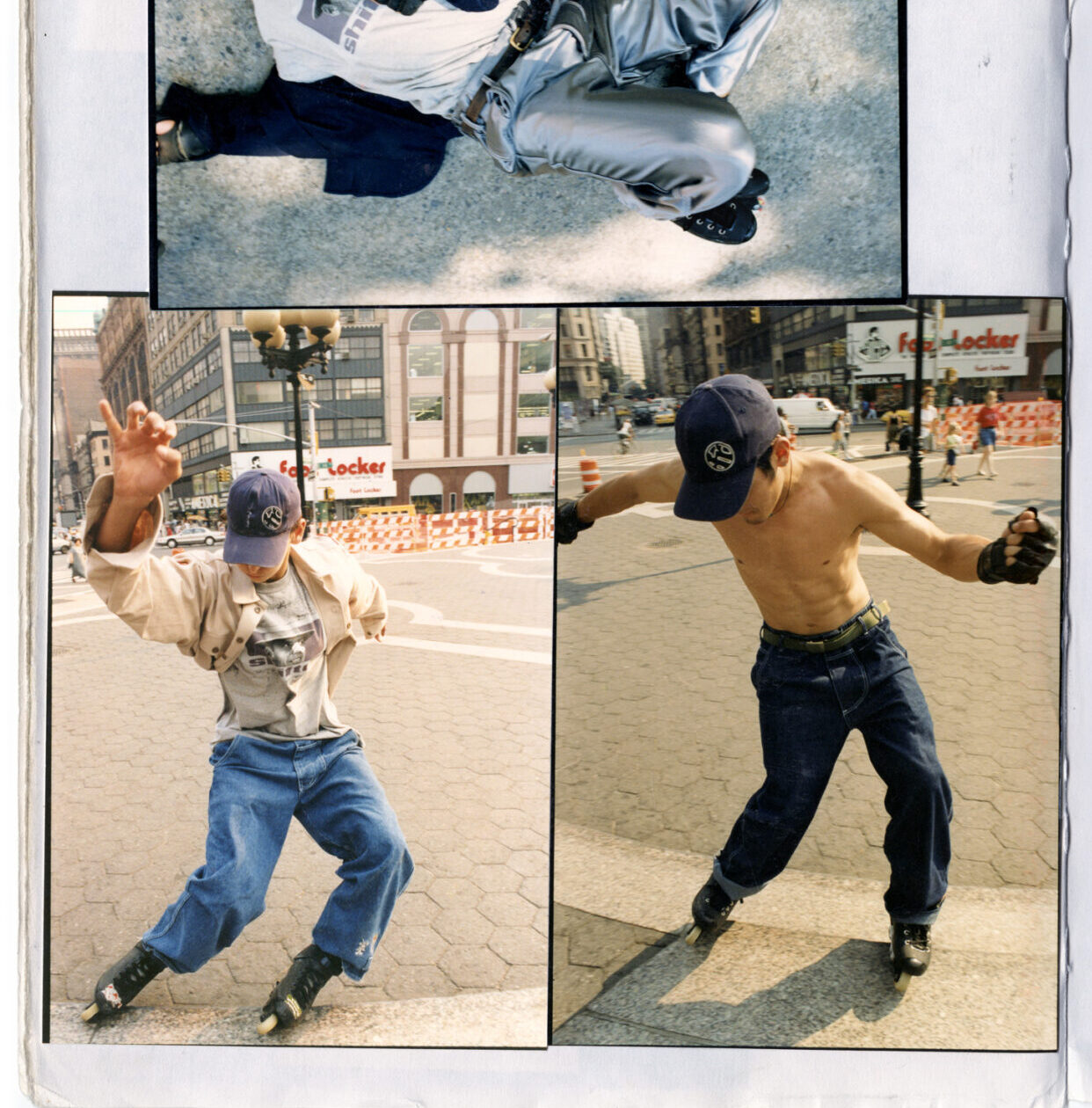
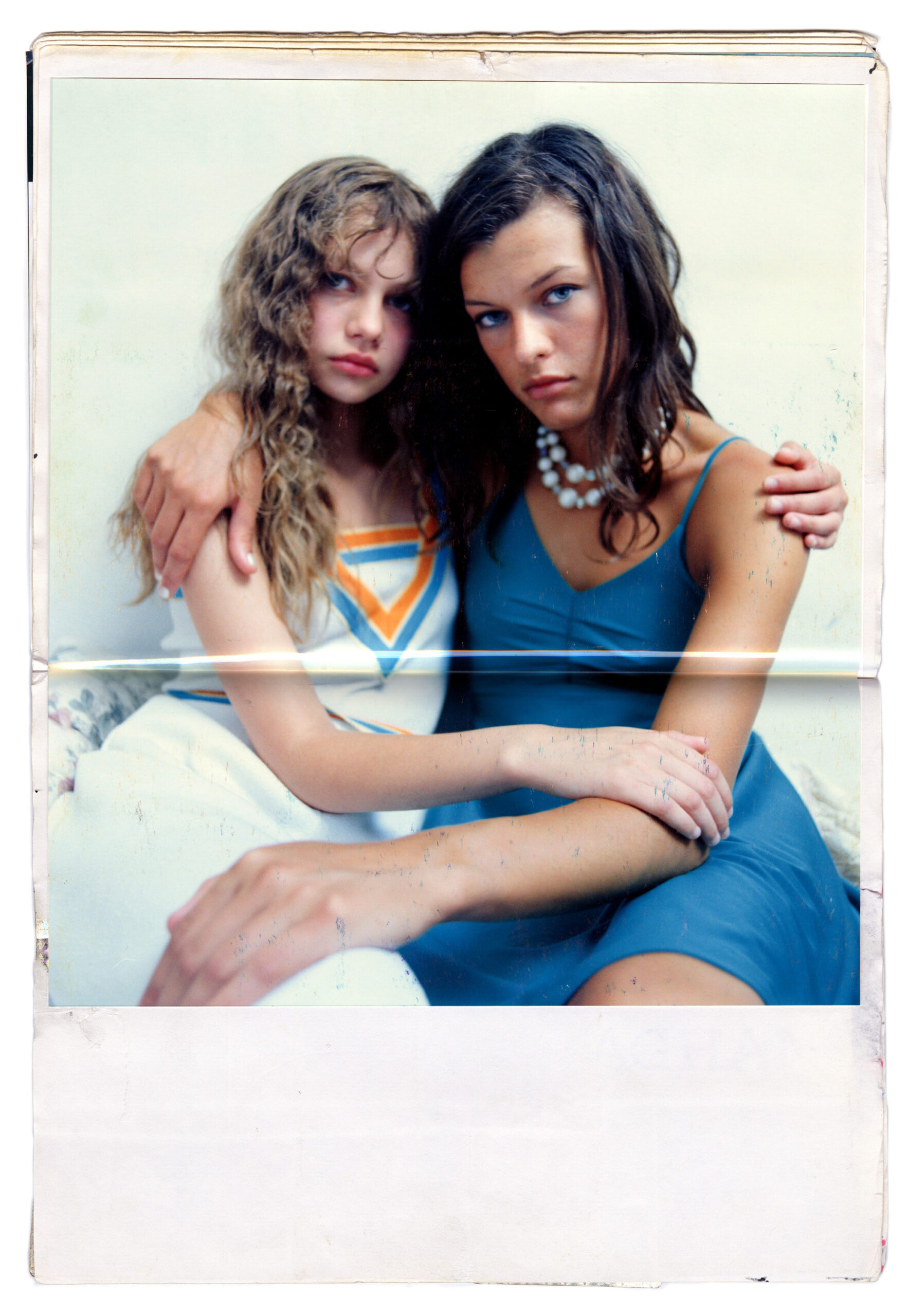
All photos by Davide Sorrenti, courtesy of IDEA Books.
“Davide Sorrenti’s journals were never just notebooks,” writes his mother Francesca Sorrenti. “They were fragments of a restless life.” Thanks to IDEA Books, the Italian photographer’s private notebooks—including images, scraps, musings, and meditations—have been collected in a new volume that’s rounded out by testimonies from his friends, family, and admirers. To the hospitality king Richie Akiva, Sorrenti “was almost like a young [Richard] Avedon.” And as the supermodel Milla Jovovich puts it, “watching [Sorrenti] was like trying to understand someone from another country before they’d fully learned to speak your language.” Below, in an exclusive excerpt from Davide Sorrenti Journals, Volume 1: 1995-1995, Akiva, Jovovich, and many more reflect on the life and legacy of a visionary gone too soon.
———
FRANCESCA SORRENTI, MOTHER & PHOTOGRAPHER
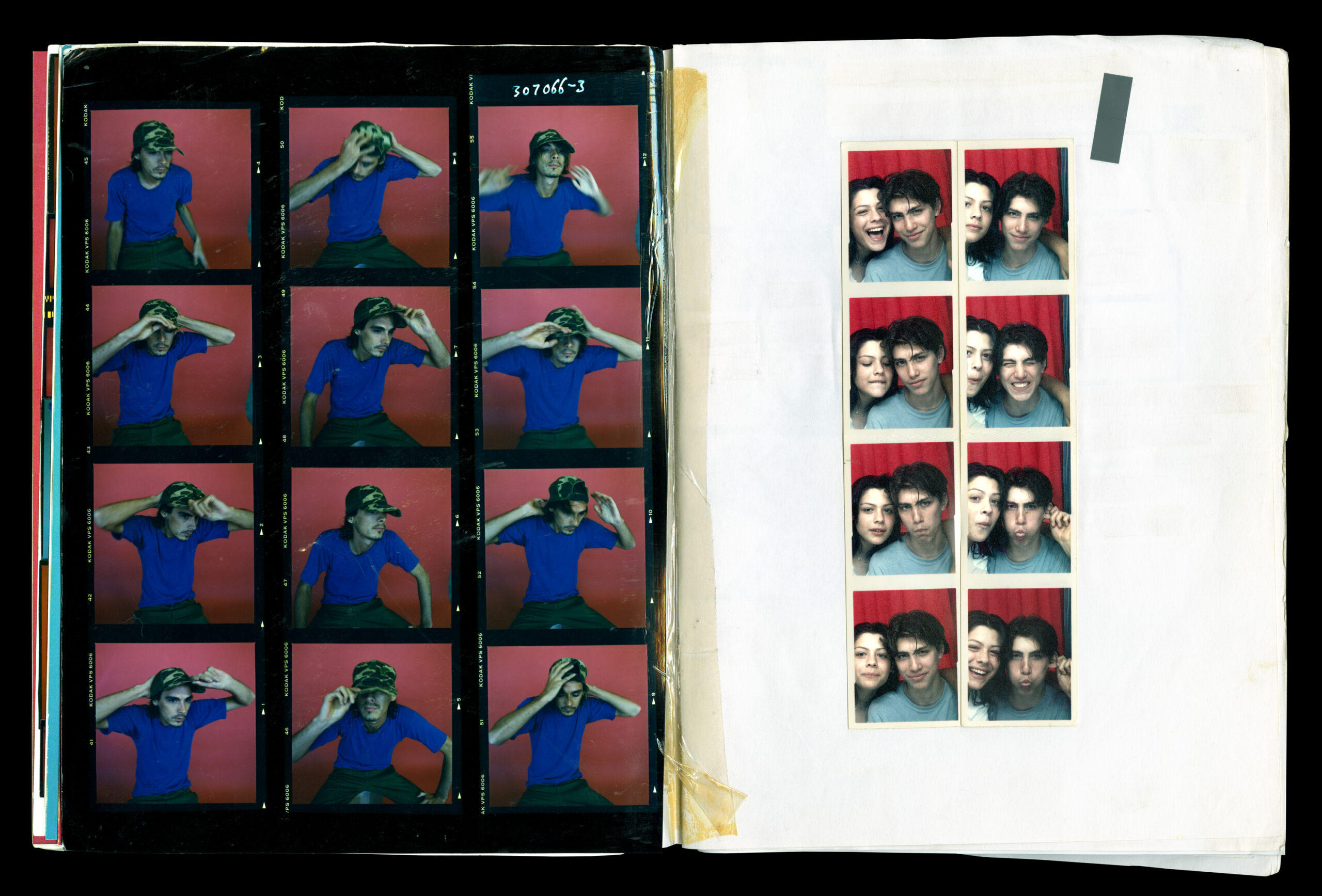
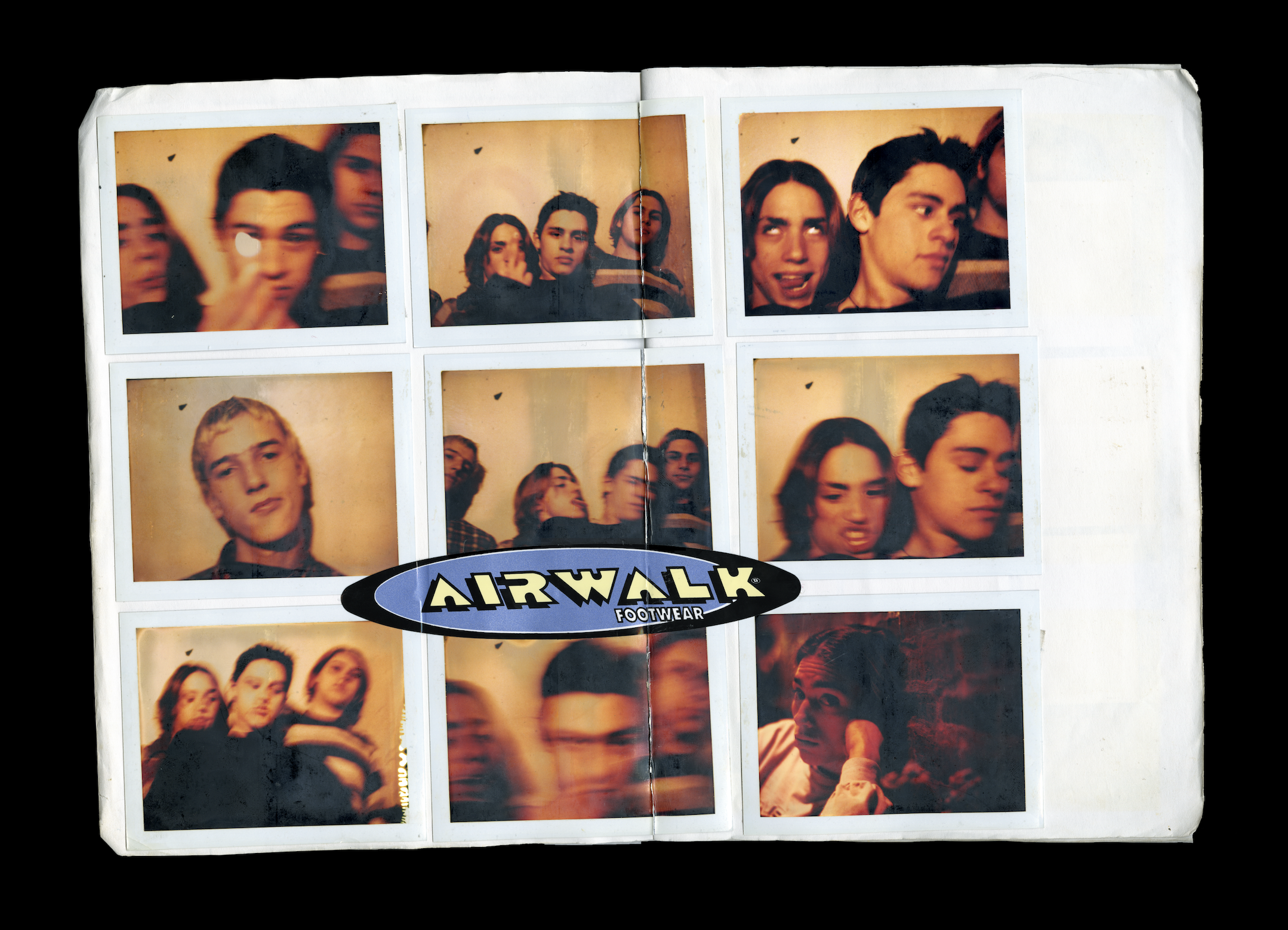
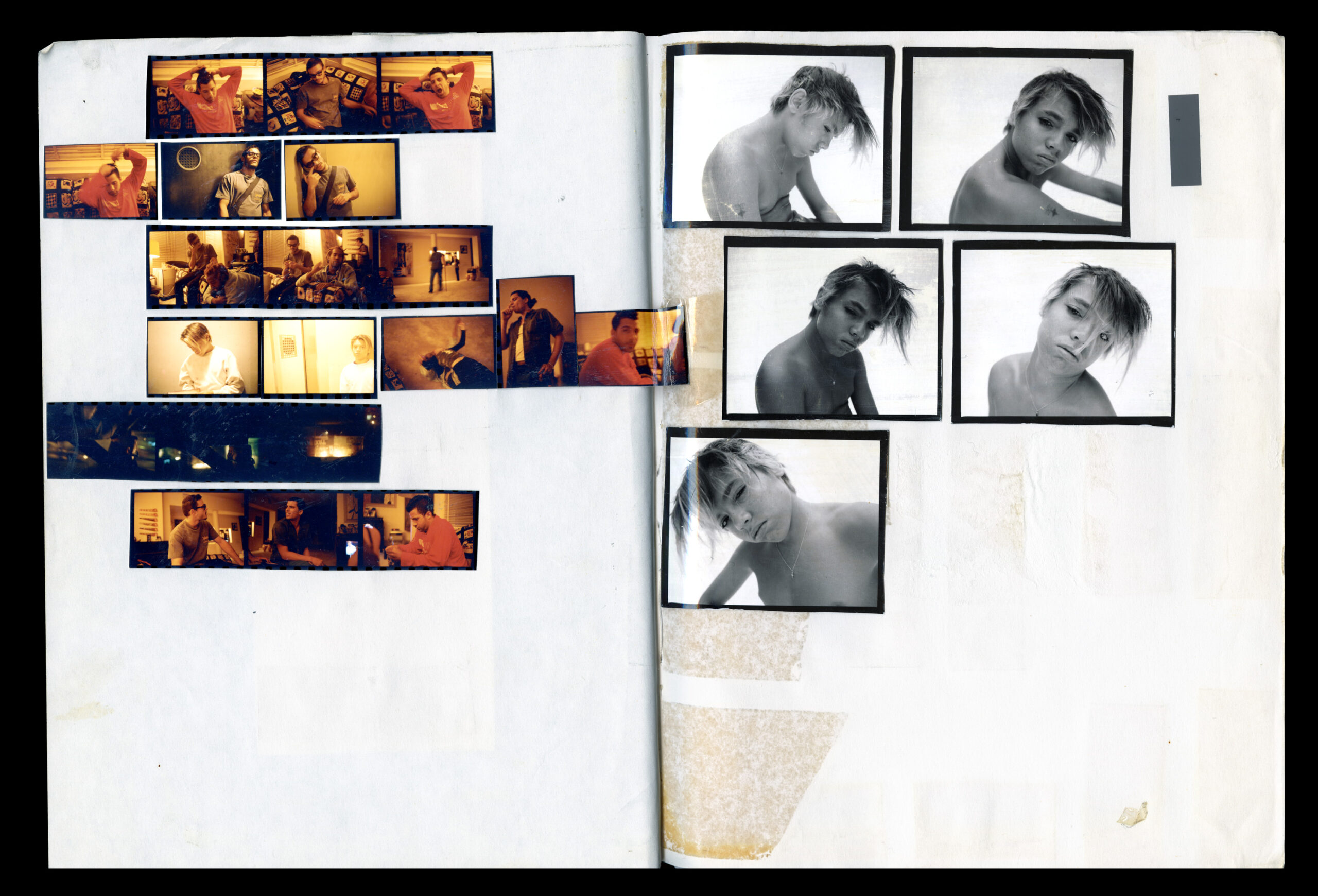
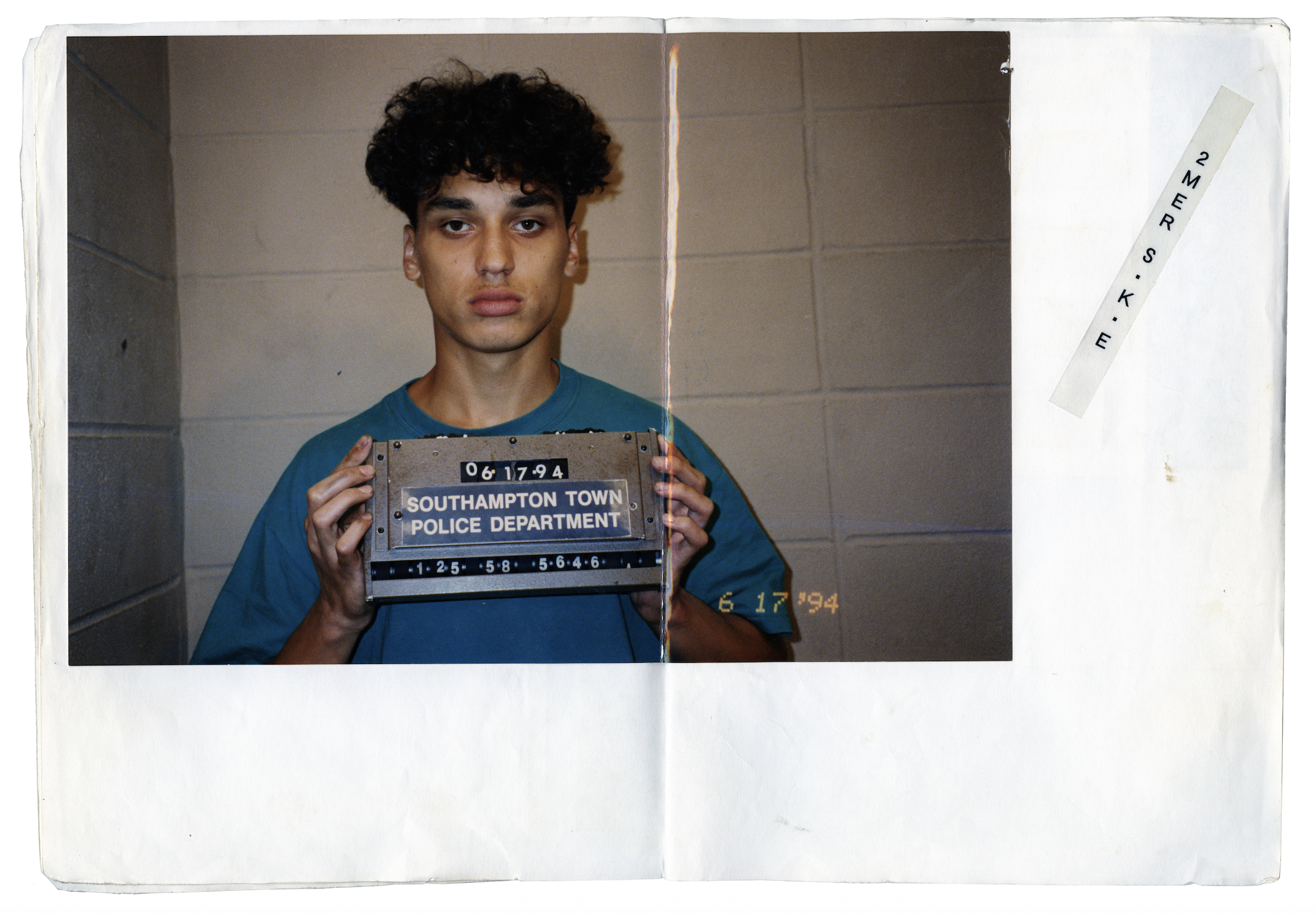
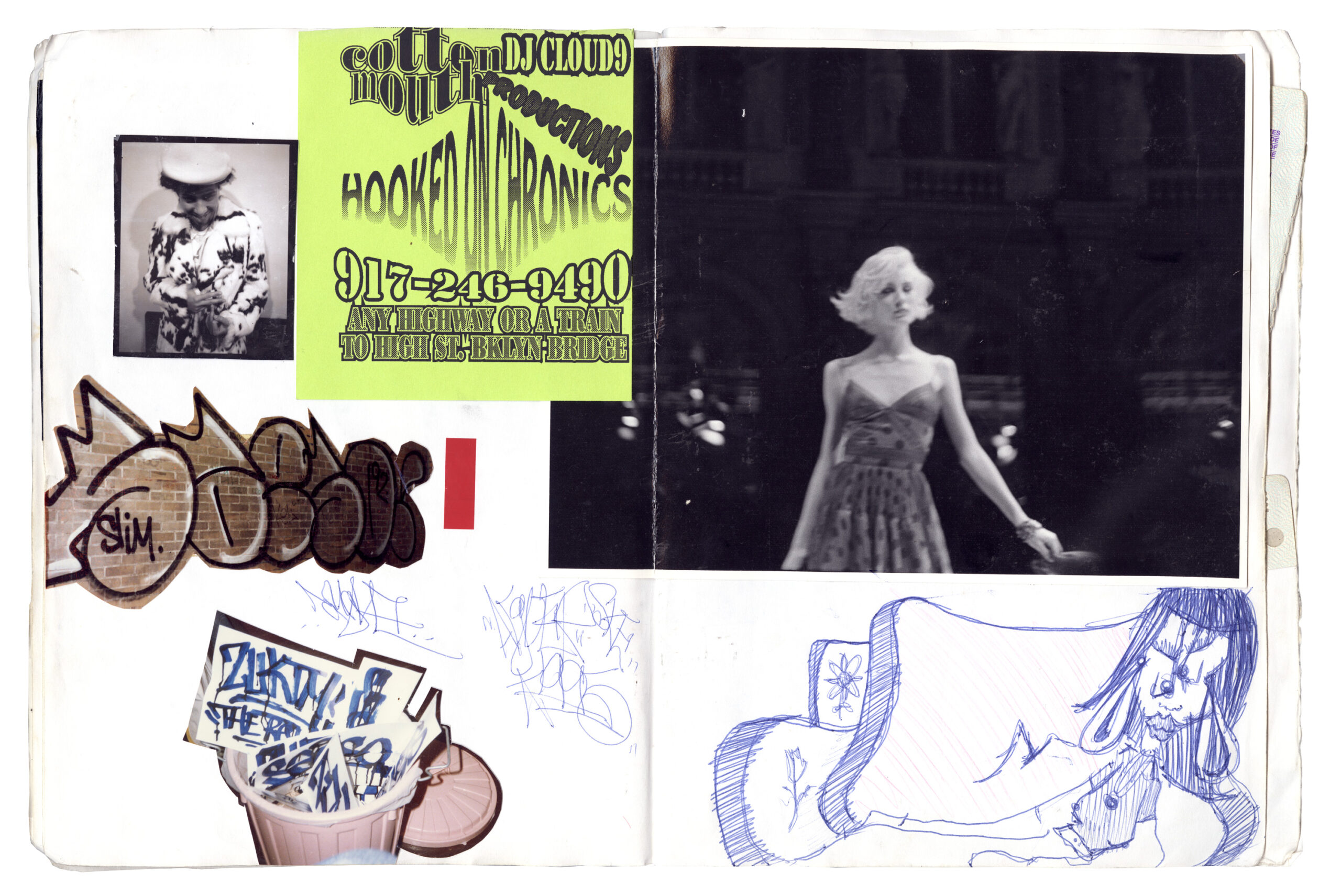
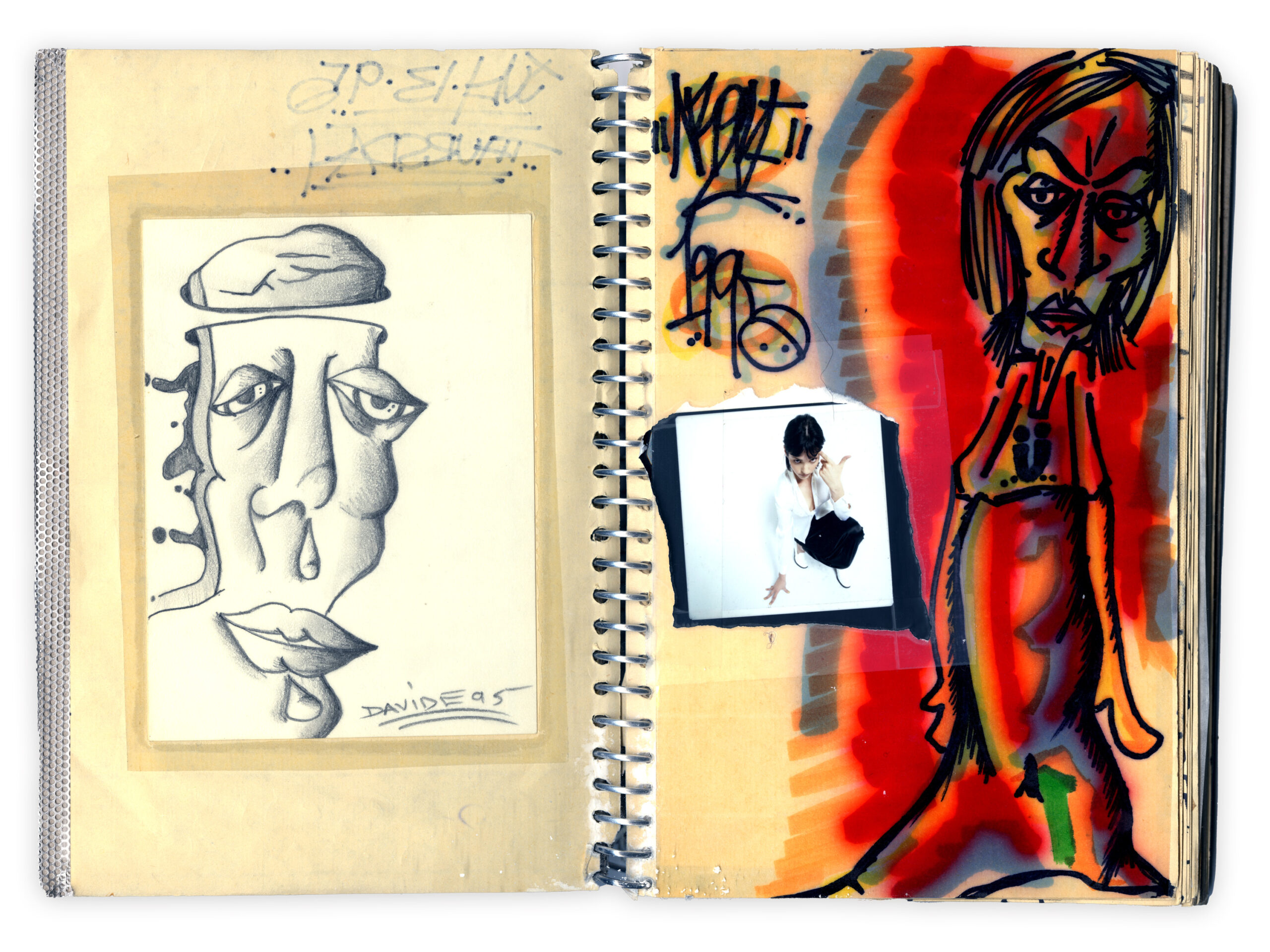
Davide Sorrenti’s journals were never just notebooks. They were fragments of a restless life—collages of photographs, Polaroids, contact sheets, sketches, stickers, and scribbled thoughts. Each page reflects the way Davide saw the world: raw, immediate, unfiltered, and deeply human. The journals are now over 30 years old and have seen the wear and tear of time. Photos, tape, and ink have seeped through the paper. He always allowed his friends to leaf through the pages, everyone was constantly looking at them. Today the journal still holds together a period of Dave’s life: his friends, his family, his photography, and intimate traces of his thoughts. For Davide, the act of keeping a journal was not about recording events in sequence, but about capturing the spirit of a moment before it slipped away. No matter the timeframe—the laughter of friends, the rhythm of a downtown night, the trips that he took, the faces that defined his circle, the beauty he found in imperfections others might have overlooked. They were also a form of play, a testing ground where images and ideas collided. Davide’s journals reveal a mind always in motion, always searching, mixing the glossy with the ordinary, the sacred with the everyday. In these pages, you feel his youthfulness, his curiosity, his tenderness. To open these journals is to step into Davide’s world—a world that was fast, beautiful, and filled with love. They remind us that he wasn’t only documenting a culture; he was documenting a life—his life—in all its intensity and fragility.
———
ERIK HARTMAN, PRODUCER
It was the spring of ’94 when Dave and I filled a bag with Krylons and hopped the L train to the “Brooklyn Piecing Factories” in pre-gentrified Williamsburg. They were a series of 5–6 graff-covered, bombed-out buildings on Kent Ave along the East River. There was tons of crazy junk inside the buildings, like random furniture and bags of stolen belongings that junkies had picked through and then set on fire. Some of the walls were charred with burn marks.
I’m pretty sure it was just Dave and myself that day. I recall us having a great time climbing around all of the junk and taking our time ripping nice tags and throw-ups, but had forgotten until seeing the photos that Dave had done a little Argue piece as well. He was always ahead of the rest of us when it came to elevating and pushing styles. I also love the shot of him finishing his yellow tag. He’s definitely using a Ten Seconds fat cap, which was our gold standard of cap for Krylons. We used to steal them off of sneaker-cleaning spray at Foot Locker. I remember imitating the pleasing, soft sound the cap made when it was flowing just right.
———
RICHIE AKIVA, ENTREPRENEUR
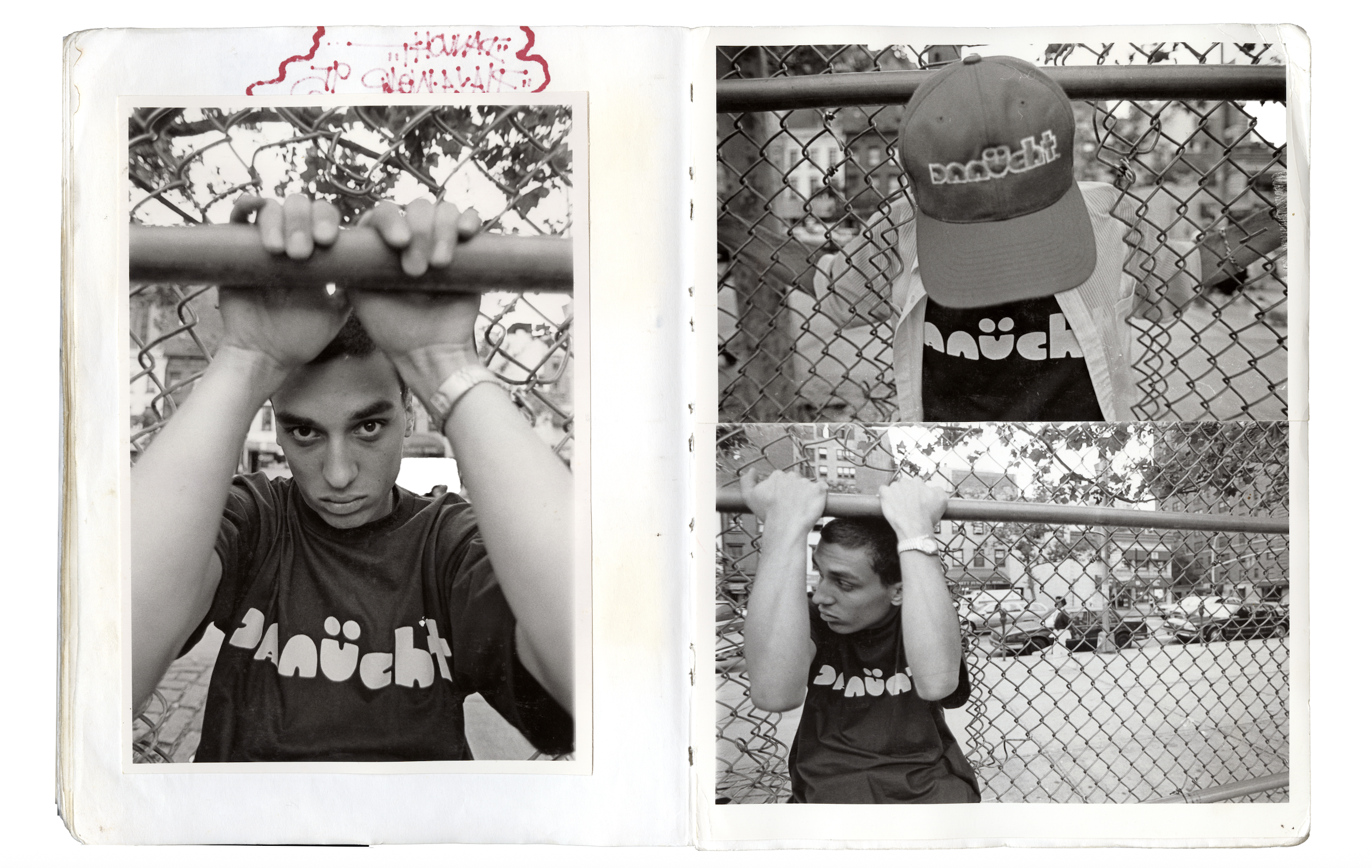
The SKE crew, Dave, Shawn, Jusske, Anthony, and me were hanging out one day at the ‘Meadow’ in Central Park during the Summer, I think in 1995. We were trying to come up with a name for this new kind of flavored blunt wrap—one you could roll weed in without having to strip the tobacco out first—and we wanted it to come in different flavors. So we were throwing out names, and I think it was Dave who kept saying, “Yo, this is the new shit, this is the new shit.” And Shawn was like, “That’s dope, we just need to find a way to say it.” That’s how we landed on Da New Shit—spelled in this weird way, like “Danucht,” which almost looked like some German or foreign word. Nobody knew what it meant, but to us it stood for “the new shit.”
The thing was, none of us actually knew how to make blunt wraps. So instead, Shawn, who was taking an art class at Xavier High School, where they were doing screen printing and printed the logo name we came up with on a T-shirt. He showed us the Danucht shirt, and we thought it looked so dope that we added the meaning on the back—“Da New Shit (the new shit)”—and started making more of them. We went down to Delancey Street on the Lower East Side, bought boxes of blank tees in bulk, and brought them to a screen printer. Then we gave them out to our friends—skaters, graffiti writers, our crew, RFC, AS, SKE, DTA, W—everybody started rockin’ them.
We also made stickers, and those got plastered all over New York City by the skaters and writers whenever they went bombing. Phone booths, bus stops, billboards—everywhere. One of our designs, the “Models Suck” T-shirt and sticker, spread so wide across the city that Vogue ran a story claiming Calvin Klein was sabotaging his own “Obsession” ads with guerrilla stickers. They thought it was some kind of subversive marketing campaign. We actually called Vogue and told them, “That’s not Calvin Klein, that’s us.” At first they didn’t believe it, but then they ran a follow-up about us—just kids from New York making T-shirts. That was when things really started blowing up. Kate, Naomi, all those models were always at Mario’s house with us. They’d see us and Dave, and we’d just hand them shirts. Naomi even wore the “Models Suck” tee in Spike Lee’s Girl 6 all through the movie.
Meanwhile, Dave was shooting nonstop. He hated using traditional models—he wanted to photograph real people in real scenarios. His work was raw and authentic. He got gigs for Interview, i-D, Paper, all the downtown art-driven magazines. He also started working in London and Paris. One time at the loft, he had this assignment for Paper and asked me and JusSke to throw on the shirts and pose. He shot us like it was nothing, mixing in brands he had to include, and turned it into a five-page spread. That was Dave—effortless, almost like a young Avedon but focused on the beauty of real life and the energy of real people. From there we just kept going—more shirts, more designs, different colors, different styles. Everybody downtown was wearing them. This was before Supreme; in a way, “Danucht” was like the Supreme of New York at that time. We were hustling, giving shirts away, selling them, spreading stickers, pushing culture. Instead of selling drugs, we were selling T-shirts. When Dave passed Colette in Paris held a memorial in his honor and sold the crew’s T-shirts and showed his photographs.
And all of it really came from Davide. He was a genius without even trying—creative, fearless, and authentic. None of us would be where we are today without him. I know I wouldn’t, JusSke wouldn’t, Shawn wouldn’t have gone on to make movies. Davide changed everything for us. He was the most amazing guy in the world.
———
MILLA JOVOVICH, ACTOR
I think Dave was trying to find his own language. Watching him was like trying to understand someone from another country before they’d fully learned to speak your language. He was searching for a way to communicate honestly, to be real, and to show us something beautiful about how he saw the world. And I believe he achieved that in his pictures. But it was only the beginning. He was so young, and I feel like he had so much more ahead of him. When you look at his work, you see the potential, and you can’t help but think, “Wow.” A couple more years and that guy would have been…
He was inspired by Francis Bacon, always wanting to recreate those colors, those themes, that sense of torment. I still have a few prints of his that are so beautiful, from what I call his little Francis Bacon moment—everything wrapped up in movement, in people trying to escape something. And then, just as suddenly, there would be these still, tender moments. I remember one photograph he took of his girlfriend in bed. She was wearing two different pairs of leggings, no makeup, nothing staged. It was just a candid moment, yet so peaceful. You could feel it, almost like reading a diary entry of love, that quiet intimacy couples share in the beginning. That was Dave. He captured moments. He gave us fragments of life, both restless and still, loud and quiet, each one carrying something true.
———
MARIO SORRENTI, BROTHER & PHOTOGRAPHER
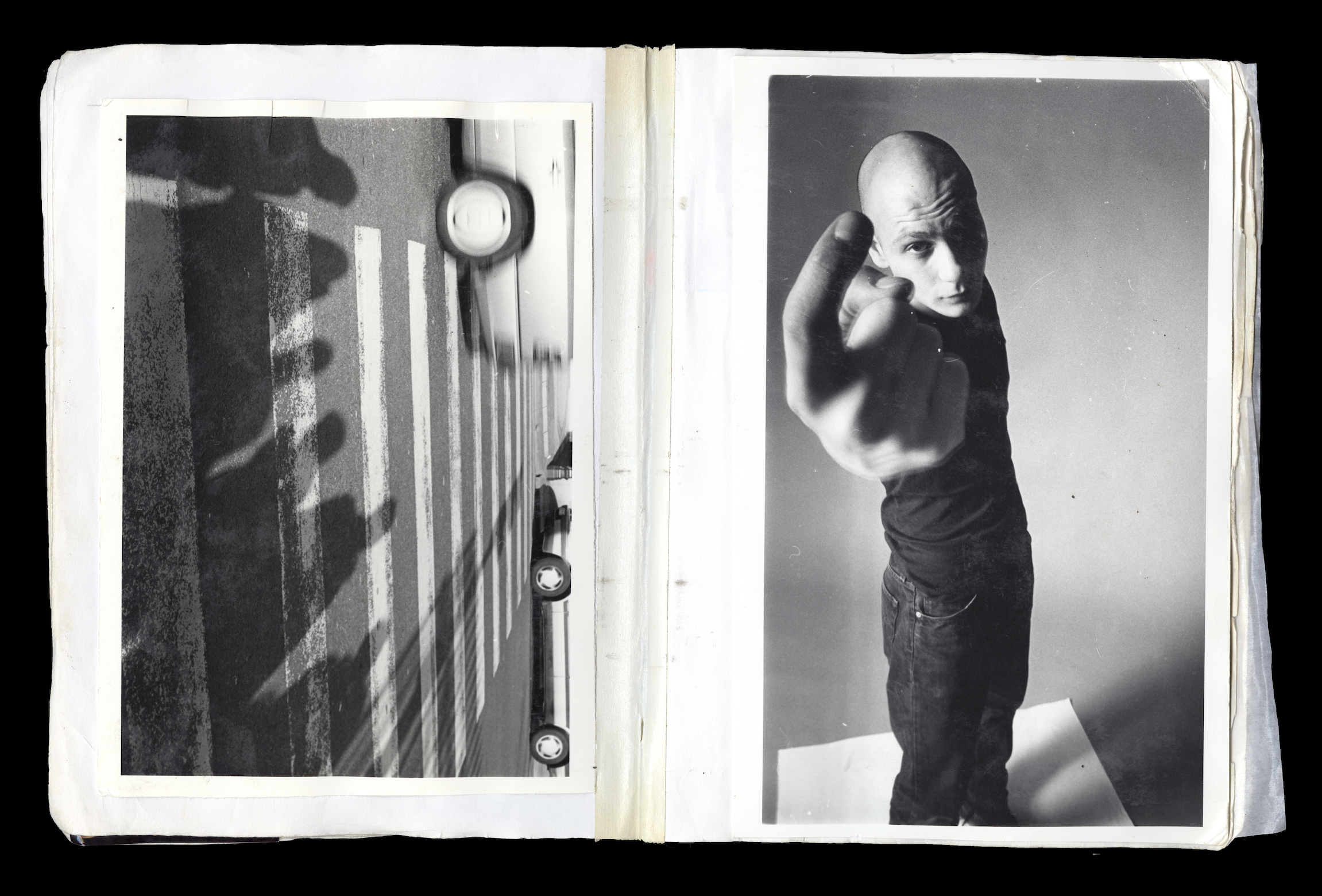
Davide’s images were really sophisticated. You could tell that they were deep and powerful. Dave was actually growing up very quickly. He made huge steps in no time, whereas for me it took years and years, and for him it could happen over months. The last time I saw Dave, we were in his room and I had been away. He showed me a whole series of photographs he had taken. They were amazing, and they were entirely his own. They had nothing to do with what I was doing. They were all color slide photographs, very documentary reportage style. They incorporated his mood from the fashion images that he had taken into his photography. I think that this time there was something in him that he realized—he wanted to move more towards art. He was painting more and doing photography, less fashion photography and more reportage. He was making huge steps very quickly.
———