

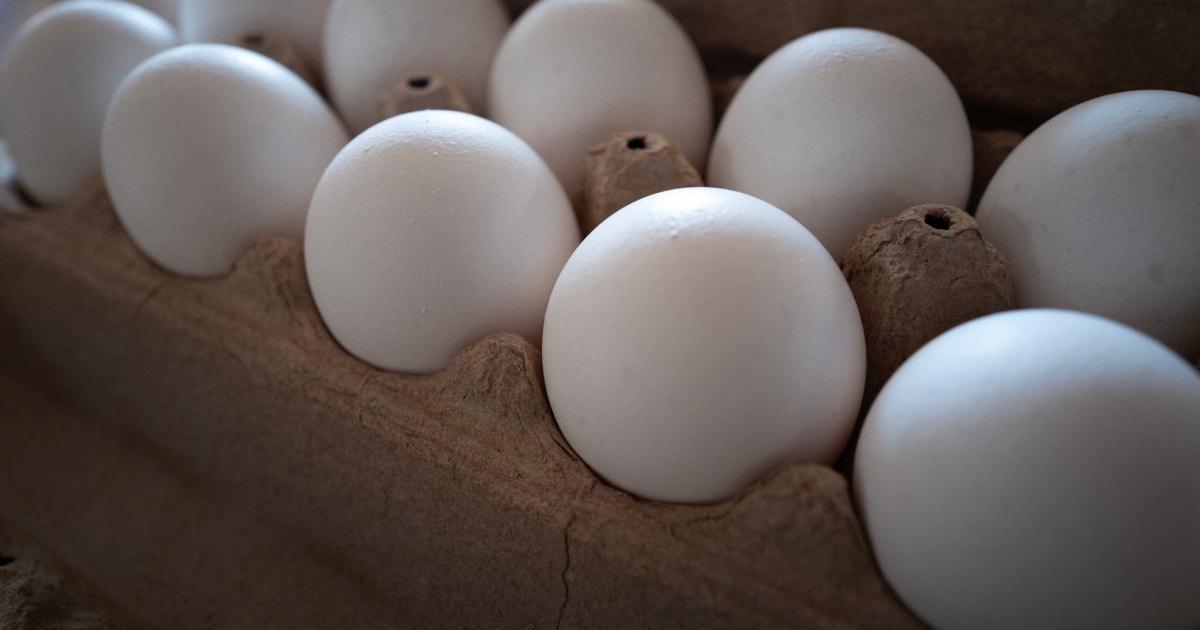
A viral egg trend on TikTok that shows users freezing whole eggs in their shells, slicing them and frying them into small “mini eggs” has caught the attention of federal food safety agencies. The FDA and USDA are now warning that the hack can be dangerous and should not be attempted at home.
The method has resurfaced on the platform after gaining millions of views in earlier waves. The visual appeal is straightforward: a frozen egg sliced and pan-fried into a miniature creation. But behind the aesthetic is a food safety concern that both federal agencies say is serious enough to flag publicly. If you stay on top of trending kitchen hacks, this is one to evaluate carefully before trying. Here is what the agencies say, how the risks break down and what to do instead.
Why Freezing Eggs In Their Shells Is a Problem
The FDA and USDA caution against freezing eggs in their shells for a straightforward reason. Liquids expand when frozen, which can cause eggshells to crack. Even when cracks are not visible, they can compromise the egg’s protective barrier and allow bacteria to enter.
This matters because freezing does not kill bacteria already present. As a result, contaminated eggs may lead to foodborne illness, including salmonella. That is a critical distinction for anyone thinking about trying this hack: the freezer preserves food, but it does not sterilize it. Bacteria on or inside the egg before freezing will still be there when the egg comes back out and hits the pan.
Understanding the Salmonella Risk
“Salmonella are a group of bacteria that can cause gastrointestinal illness and fever called salmonellosis,” per the FDA. While some individuals may not develop symptoms, others can become seriously ill.
The risk is higher for vulnerable groups, including children, older adults, pregnant people and those with weakened immune systems. Because of this, officials warn that the TikTok “mini fried egg” trend is especially unsafe for kids. That detail is worth flagging if you cook for a household or routinely share recipe hacks with family and friends who might try what they see on social media without checking the safety guidance first.
Look closely at some of the viral TikTok videos and you will see the problem playing out on screen. Some videos show eggs coming out of freezers visibly cracked before being sliced and cooked. That visible damage is exactly the failure point food safety agencies are warning about. Once the shell is compromised, the egg’s natural defense against bacteria no longer functions — even if the egg looks fine after slicing.
Commenters on the platform have raised concerns, with some referencing past versions of the trend and warning about earlier reports of food poisoning linked to similar behavior. This trend is not new. It has cycled through TikTok before, but each time it resurfaces it reaches a new audience that may not have encountered the earlier warnings or the food safety guidance that followed them.
The Right Way to Freeze Eggs
Eggs can be frozen safely, but not in their shells. The FDA recommends cracking eggs first and freezing them in a freezer-safe container, either as scrambled whole eggs or separated whites. This approach avoids the shell-cracking issue entirely and keeps the eggs safe for future use.
Frozen eggs should be used within one year. To prepare them, they should be thawed in the refrigerator overnight and cooked immediately afterward. Thawing at room temperature is not recommended.
Cooking Temperature Matters Too
USDA guidance states that eggs should be cooked until both yolks and whites are firm to reduce the risk of salmonella. Vulnerable groups such as young children, pregnant people, elderly individuals and immunocompromised people are advised to avoid runny or undercooked eggs altogether.
That guidance directly conflicts with what the TikTok trend showcases. The viral videos typically feature mini eggs that appear partially cooked, and the runny visual that makes the content shareable is precisely the cooking stage the USDA says carries the most risk for salmonella contamination.
