

Photo courtesy of Hoyt Richards.
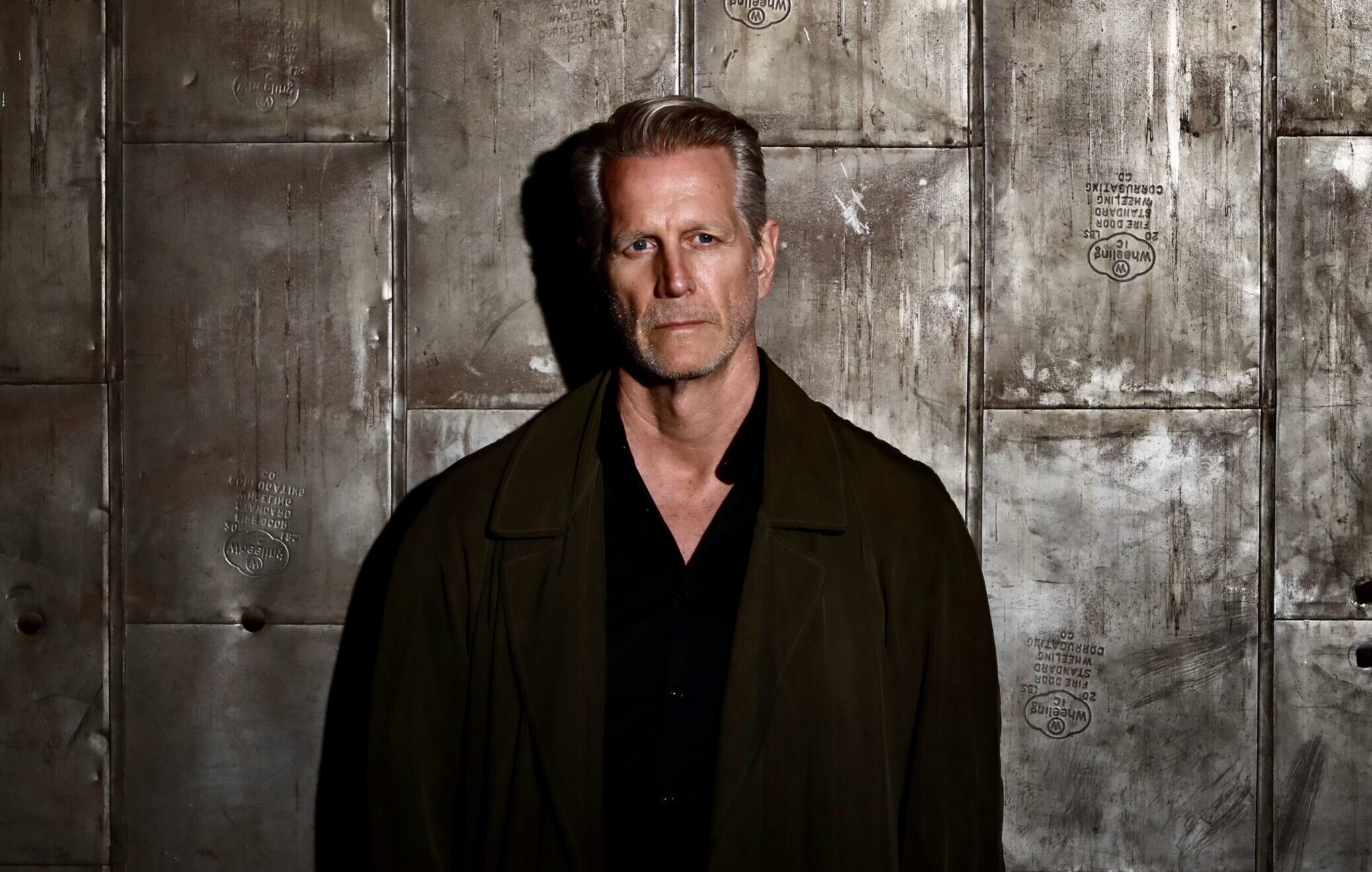
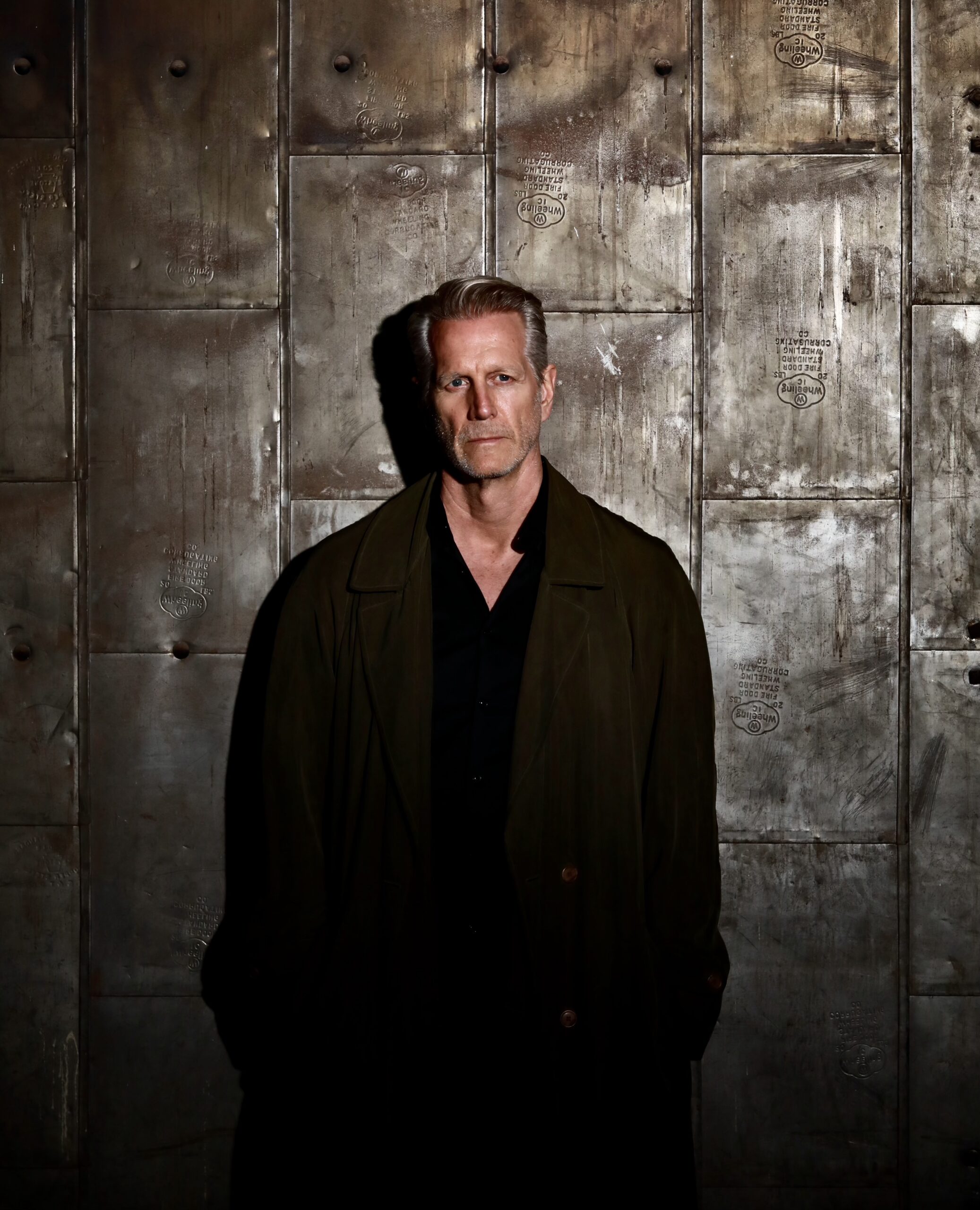
By all appearances, Hoyt Richards was living the high life in the 80s. As an internationally famous supermodel, he was raking in millions of dollars, jet-setting all over the world, and had become the poster boy for the decade’s New Age spiritual movement. But behind the scenes, Richards had fallen victim to the Eternal Values cult and its extremely charismatic leader Frederick von Mierers, who preyed on young models and professionals siphoning off their money, connections, and adoration, convincing them he was both a god and an alien. In the new HBO docuseries Bring Me the Beauties, Richards is finally sharing his harrowing story of brainwashing and abuse, and how he managed to come out the other side. Ahead of the series finale on Monday, Interview‘s Editor-in-Chief Mel Ottenberg checked in with the supermodel to dive deeper into this 20-year cultic relationship, the friends still trapped in Frederick’s web of lies, and whether or not we’ll ever see Richards grace another centerfold.
———
MONDAY, 2:01 PM, JUNE 8, 2026 LOS ANGELES
———
MEL OTTENBERG: How are you doing these days, Hoyt?
HOYT RICHARDS: Well, things are a little strange. This is like getting naked in front of the world with all your dirty laundry. I have to say, the response has been overwhelmingly positive. People I’ve known have come forward and said, “I always thought maybe I understood, but now I understand so much better after watching that first episode.” Too often these stories are told through the lens of what I would call the villain story. What’s the cult leader all about? What’s the carnage they create around them? That’s a pretty depressing story. I feel like the survivor story not only provides understanding, but it provides empathy and hopefully information that says, “Oh, I’ve actually had a relationship like this. Maybe not to this extreme, but I can relate to this experience.”
OTTENBERG: Right. It’s interesting what you’re saying. I was dating a guy five years ago, and I’m someone with a job, I am in my 40s. I’ve, like, totally got it together. But then I started being like, “This guy…He’s definitely playing mind tricks on me and I can’t tell if he knows what he’s doing or not.” Then, just like that, I snapped out of it and was like, “You’re dumped.” He was sending me flowers and gifts, but I wasn’t having it. But I’ve always thought about that. You reminded me of it because you’re not from a broken family environment or any of these things—
RICHARDS: I think that’s one of the most important things that I try to educate people about is that as long as you think it can’t happen to you, you’re in the most vulnerable spot. I held a lot of those same preconceptions of who I thought this would happen to, what kind of family they came from, and all of that is inaccurate. That’s why I feel like the best way to describe my experience is that I had a 20-year cultic relationship with this group. The word “cult” is so triggering. You get these extreme pictures of Jonestown, or the people that had the Nike suits and all took Kool-Aid. Remember them, the people in California? It’s a big hole to dig out of. But cultic relationships seem to be part of the human condition. You have to think of them as a spectrum. Every relationship, whether a one-on-one relationship or a group dynamic, is somewhere on that spectrum. I definitely lean more towards the extreme of it.

Photo courtesy of Hoyt Richards.
OTTENBERG: One way that I think this is described in the doc is like, Frederick is a very popular guy, and you guys all are so into Frederick, and he gives you all his love. Then, he takes it away and it’s like you really want to be in his sunshine and warmth again, right?
RICHARDS: Yeah. It’s kind of that love bombing thing. From the get-go, he was very effective at throwing me off balance. That’s my biggest message to kids: You’ve got to know these people exist. If you don’t know their techniques, you’re going to potentially experience it like I did. Where you think, “Oh my god, this person gets me, they hear me, they understand me. They could be a mentor in my life.” You don’t realize this is more likely a tactic.
Even as [Frederick] was starting to engage me on the beach, he would say things like, “Oh, well, you’re very smart so you’ll understand this,” and then launch into a diatribe. That’s a very effective technique to make me stop going, “Wait, I don’t really understand what you’re talking about.” I can’t say that now. You’ve given me a compliment. Likewise, when he looked at my friends and he goes, “You’re not like them, you’re different.” I remember going down that rabbit hole like, “What do you mean? I don’t think I’m different than them. What are you saying, I’m special?” The more important question I should have been asking is, “Why is this person who I just met talking to me like they know me?” The fact that he’s talking to me that way should’ve been a red flag, but I didn’t know that. I just thought, “Oh my god, he somehow connects to me and he gets me.” That’s where the danger lies.
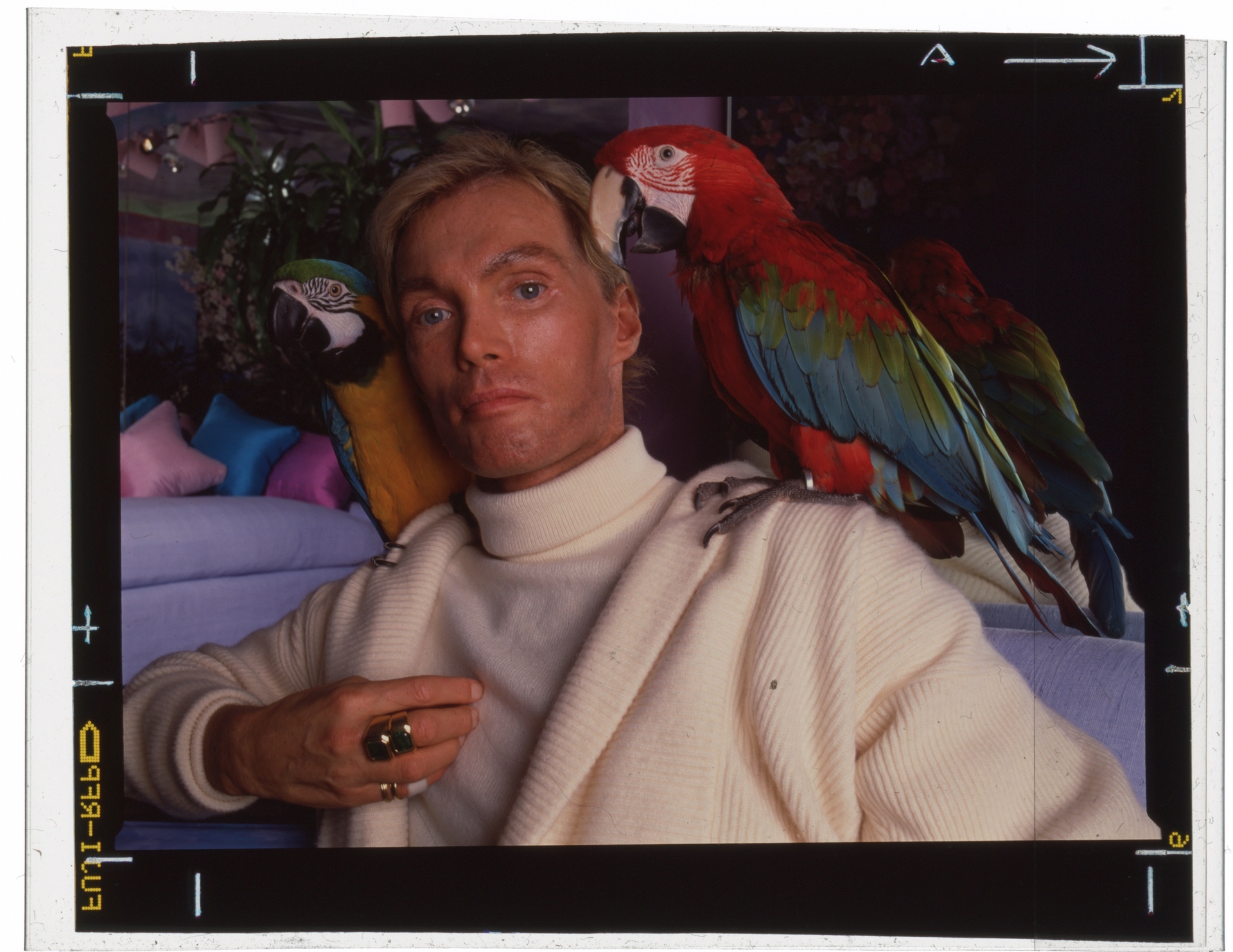
Photo of Frederich von Mierers courtesy of HBO.
OTTENBERG: I mean, it seems like it was probably pretty hard to notice. First of all, you’re a teenager. He also seems really good at it if he’s got you guys all under his spell, and he’s hanging out with Madonna and Grace Jones, and is in the social register. How did you heal yourself? I mean, it must have taken a long time to get over it.
RICHARDS: Yeah, I think it’s not unlike a drug addict, you want to make amends. When I first figured it out, I called my brother who tried to do that intervention and I was just tail between my legs, like, “Hey, Rory, you were right.” He was so graceful and gracious, Mel. My mother did the same thing. It took me longer to call my mother because I was so shameful, but neither one of them said, “I told you so.” Rory in particular, I get emotional just thinking about him because he really behaved like you would dream a brother would behave in that [situation].
I think so much of it is the perspective you choose to take on your life. Being accountable, making amends, getting educated, trying to connect to other survivors, and ultimately trying to connect to other people in my group for 15 years. Everyone kind of just rejected [me] and had no interest in talking about it. They didn’t believe it was a cult.
OTTENBERG: Do you have a relationship with anyone that was in Eternal Values now?
RICHARDS: Yeah. I keep in touch with Dar. I have some affiliation with everyone who’s in it, like that guy Russ was determined to come on camera just to give a counterpoint of view to mine because he’s still a devotee of Freddie, and Paul is kind of on the fence. Paul, I’d put him in the Stockholm Syndrome Culture where he clearly was one of the most abused, but he still is unwilling to see his abuser as anything other than his best friend.
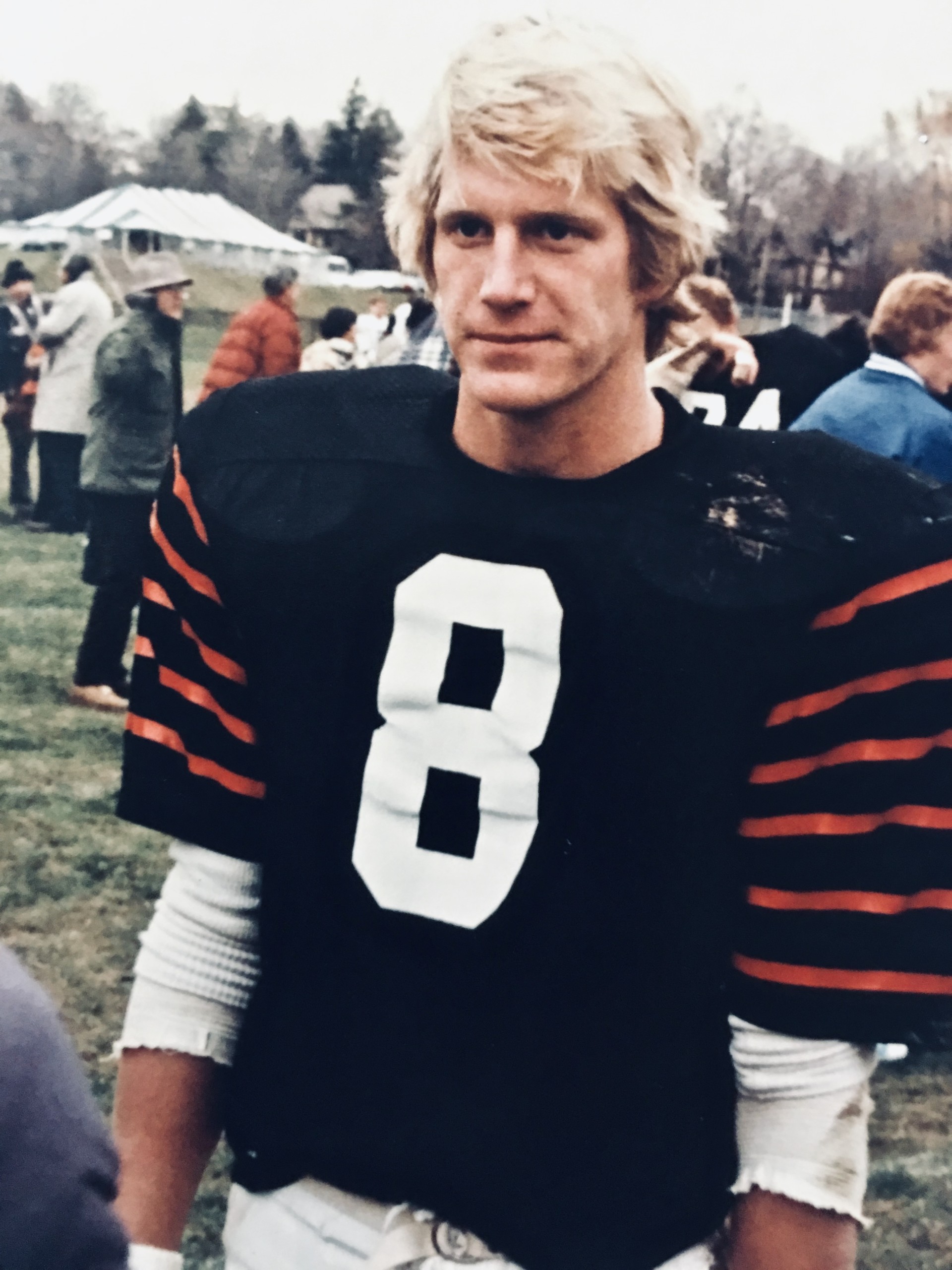
Photo courtesy of Hoyt Richards.
OTTENBERG: Do you think Paul still thinks he’s from another planet?
RICHARDS: I don’t know. I can’t speak for them. Russ basically thinks he was an incarnation of god, and there’s still people who would not come on camera that are very devotional to that. I would say the majority of people fall somewhere in that camp, and the vast, vast minority are the people that can talk about it. For many years, I thought maybe I’m the crazy one because no one else was willing to take the perspective that I was. But I got enough information to realize, no, my take on this is pretty accurate. The greater tragedy is the people that can’t acknowledge the abuse. That’s the pill you have to swallow. We got conned on some level, and things got bad and things got abusive.
OTTENBERG: What year do you think Eternal Values was its biggest and most powerful, and how many people do you think were in it at its peak?
RICHARDS: Well, we were always small. We were never more than 100. There was a big turnover constantly, but I would say late ’80s. When I met Freddie, he was a narcissist with an entourage, and I watched it develop into what we would probably more accurately label a cult. Because that book, Ruth Montgomery’s Aliens Among Us, came out and that legitimized his false biography. It put him on the hot list as the new spiritual leader and New Age commander. We were getting letters from 45 countries, so we had to create an office. That’s when we came up with the name Eternal Values. That was kind of the pinnacle when all of that was going on. I think that’s when Frederick’s pathology went to a different level where he felt completely vindicated. Because people have asked me, “Was he in on the con?” Obviously, I can’t get inside his brain, but I can say living with him I never saw him break character. I think he just crossed over into that pathology.
He was born to parents who were 16, he got shoveled off to his grandparents, and I don’t know if he ever was able to attach to anyone in a normal fashion. Clearly, he had no issue with sex. But as far as real intimacy and connection, I don’t know if he ever had it.
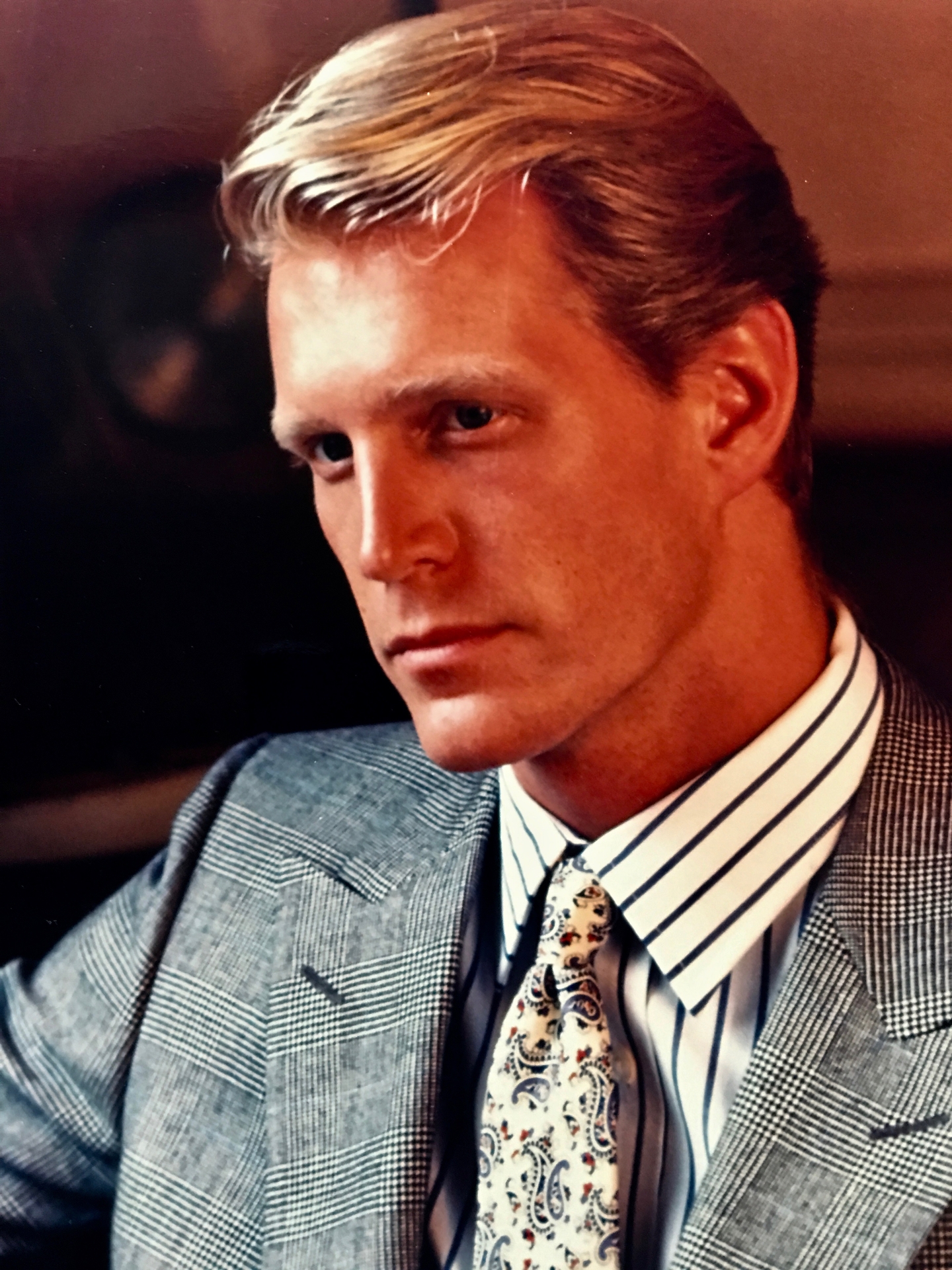
Photo courtesy of HBO.
OTTENBERG: Right. What do you think about Ruth? I was watching episode one again yesterday and I was like, “Man, I will call a psychic. I will spend $400.” Everyone’s got a psychic, right?
RICHARDS: The whole psychic thing, I’m very fuzzy around because I feel like probably we all have some degree of psychic ability. I feel it’s like athletic ability, some people are born with it, some people can develop it. I think it’s something in that area. But am I going to put real faith or credence in someone who claims that? Not anymore. I do plant medicines. I find that’s incredibly useful for me to kind of feel like, oh, maybe the earth dimension is not the only dimension. I’m not adverse to it. But when I think about Ruth, as far as what was coming through her guides, I’m at a very Doubting Thomas time in my life. But I never got a bad bone from her, or any kind of Machiavellian thing. Freddie, I mean, he was definitely Machiavellian in his operations. He put all of us in danger. As he was dying, we would have to do caretaking. People dying of AIDS, you just become a skeleton. So you had to carry him to the bathroom and he had this horrible bedsore. We had to change the dressing a lot. We had no idea. So if we had had an open cut or something, you would potentially…He never said a word to any of us. No one ever said a word to any of us.
OTTENBERG: Was he having sex with other people in the cult?
RICHARDS: No, that’s one of the blessings. Normally, that’s cult 101. Normally, the cult leader is fucking everyone in the group. Freddie did not do that for whatever reason. I spoke to one guy who got kicked out and found out that Freddie actually had approached him. He had turned him down and was kicked out the next day. I guess he did try it with certain people, but we were under the guise that he was celibate. Meanwhile, he was living this covert lifestyle. Yeah, listen, I’m guilty. It was happening in front of me. I look back at it and now it’s so obvious, but at the time it’s not what I wanted to see.
OTTENBERG: Well, sometimes also when you’re on a plane all the time, your life gets really crazy and you start to glaze over because you’re not like…
RICHARDS: I felt like I was constantly jet-lagged because I didn’t know anything other than the jet. That might’ve played a role. Most cultic groups do employ lack of sleep as a great technique to control people. Sleep was frowned upon. It’s like if you’re sleeping too much, you’re considered a pussy. Freddie was always like, “I don’t need to sleep,” and he’d be up for 48 hours. I didn’t know that he’d actually gone over to one of his friends’ houses and done a speedball. I just thought, “Oh, he’s got endless energy.” He was living a very different life behind the scenes.
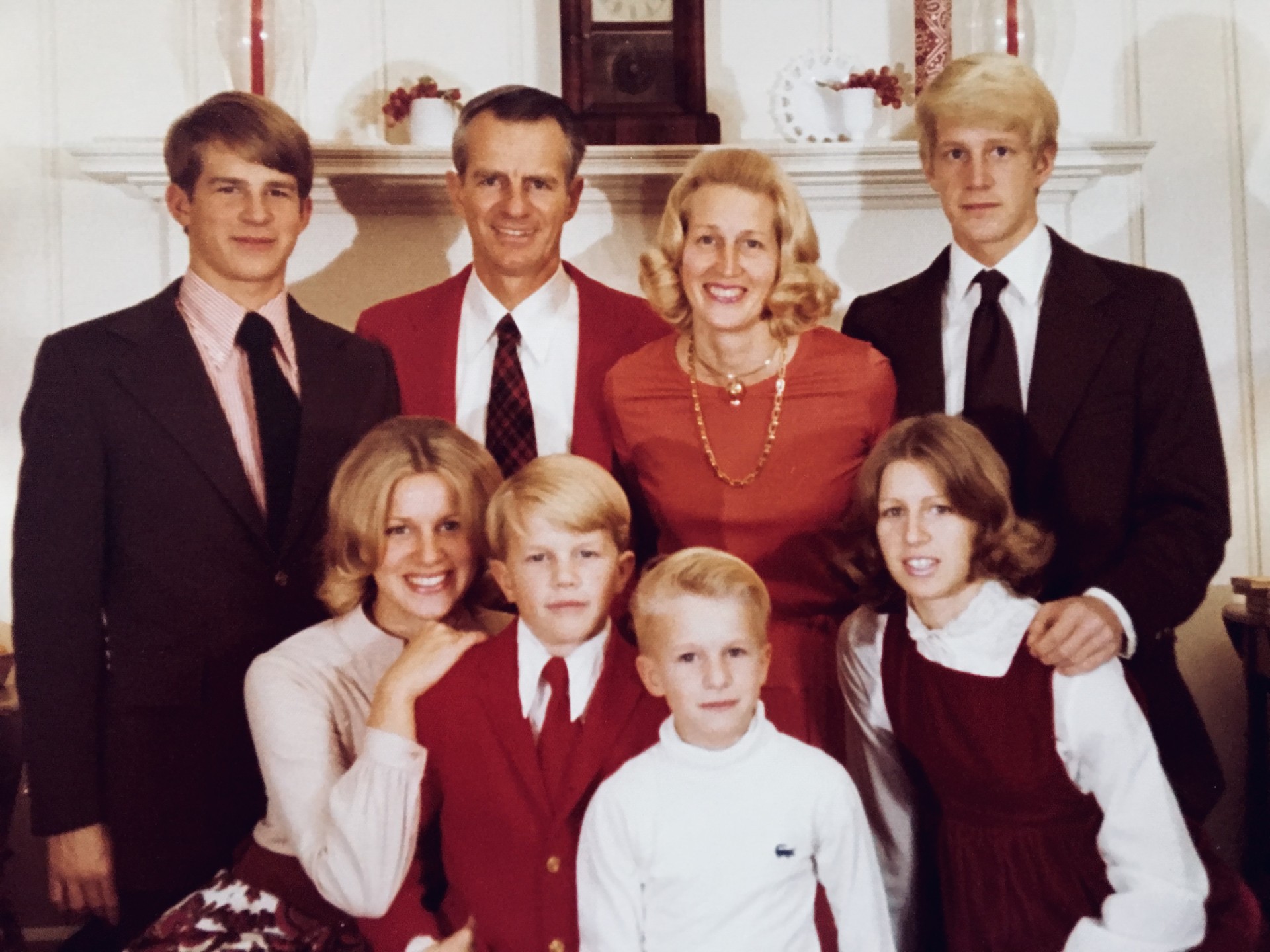
Photo courtesy of Hoyt Richards.
OTTENBERG: As a poster boy for living the New Age ’80s lifestyle, are there parts of that that have stayed with you?
RICHARDS: Yeah, absolutely. I mean, I’ve always eaten well. Just the idea of sound mind, sound body, that was very inherent in us. Even the worst part of the “cult of confession,” where the group would force you to unearth some of your deepest, darkest secrets, some of those things I was forced to do in Eternal Values I realized, even though it was harmful, it felt better to take ownership of things I had done than to hide secrets. I spent so much of my life feeling like I was living a double life and being deceptive to everybody because it was frowned upon to have friends and cohorts outside the circle.
When that movie The Matrix came out, I had just escaped. I was like, “Man, this is such a great metaphor to describe so much of the mind control I went through.” Because what I was being told by Freddie was, “All the brainwashing happened before you met us. We’re pulling you out of the matrix. Your friends and family, they’re still in it. They don’t even know they’re in the matrix.” It’s that idea that resolution will happen in the spirit realm, but while you’re here you’ve got to have the discipline to isolate and stay away from them because they’re unconsciously dangerous to you.
OTTENBERG: You really broke out of the matrix.
RICHARDS: Yeah. I ultimately did. Like I talk about in the doc, my mother had some controlling aspects, but she was never malicious or harmful. She had some abandonment issues, and I think she fostered codependent relationships. But because of that controlling aspect, I thought I was breaking free to get involved with this group, and all I did was get a worse version of what I grew up in. That was a real eye-opener for me to recognize.
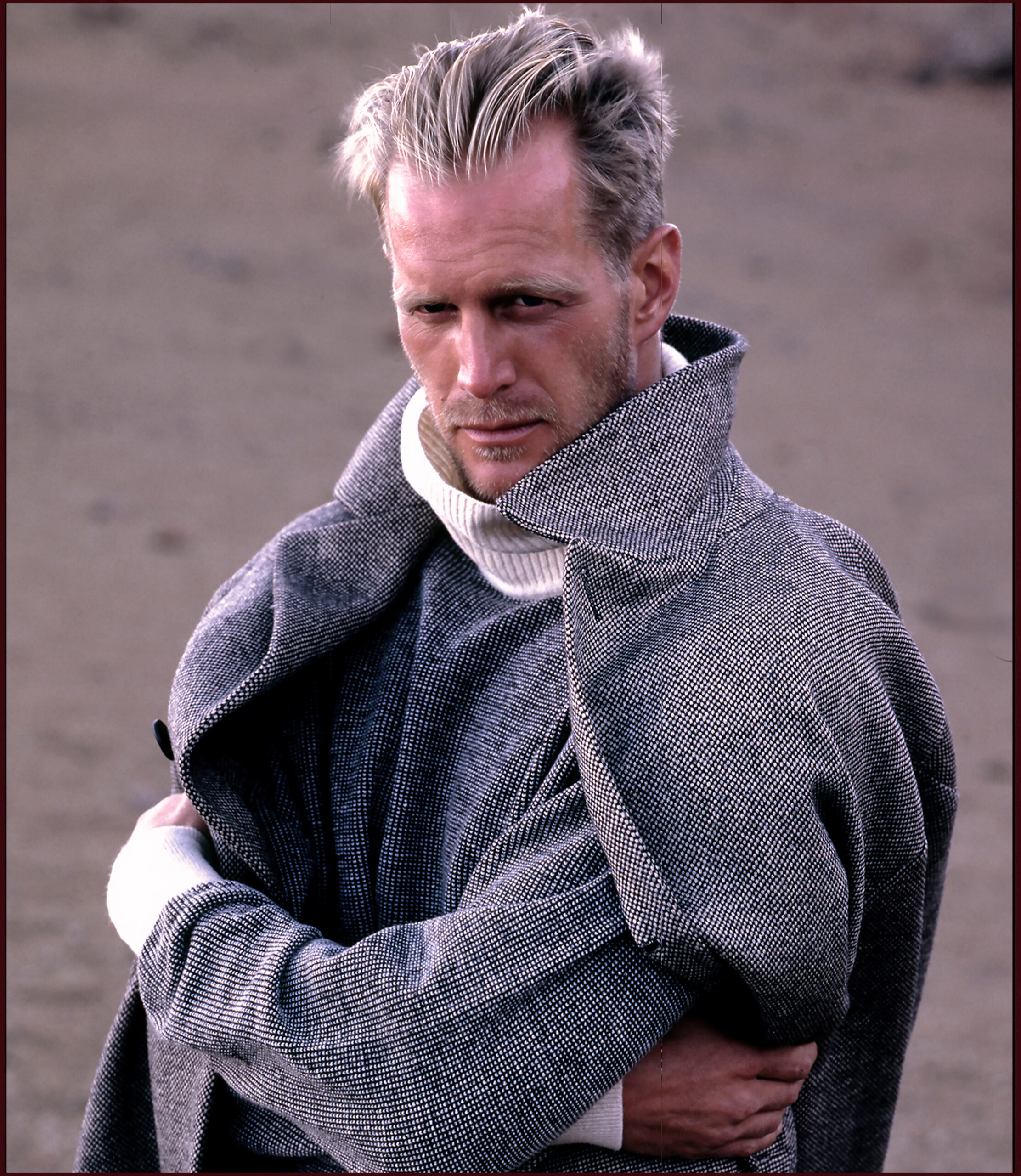
Photo by Fabrizio Gianni/Courtesy of Hoyt Richards.
OTTENBERG: Tell me a little bit more about the diet.
RICHARDS: Well, I don’t follow the exact diet anymore. I basically followed the paleo diet: fruits and vegetables, meats and fish. I stay away from grains, any sort of processed food, that sort of thing. Exercise still, not to the degree I used to be able to because I don’t have the chutzpah, but I try to get to the gym five, six times a week. It’s like my parents gave me this, they did all the hard work. I just wear this costume that people seem to have always liked, and I feel a duty to try to do the best with it. But I’m not crazy about it, everything in moderation.
OTTENBERG: Do you still like modeling? Do you think this is going to lead to a resurgence in your modeling?
RICHARDS: I haven’t modeled in forever. I don’t know. I mean, maybe what’s old is new again. Who knows?
OTTENBERG: Good.
RICHARDS: We’ll see. But yeah, if someone says, “Hey, let’s take the old fox and throw him out in the field,” I’d be like, “Yeah, I can do it.”
OTTENBERG: I’m expecting it. Don’t count yourself out yet.
RICHARDS: Okay, Mel. Thank you.
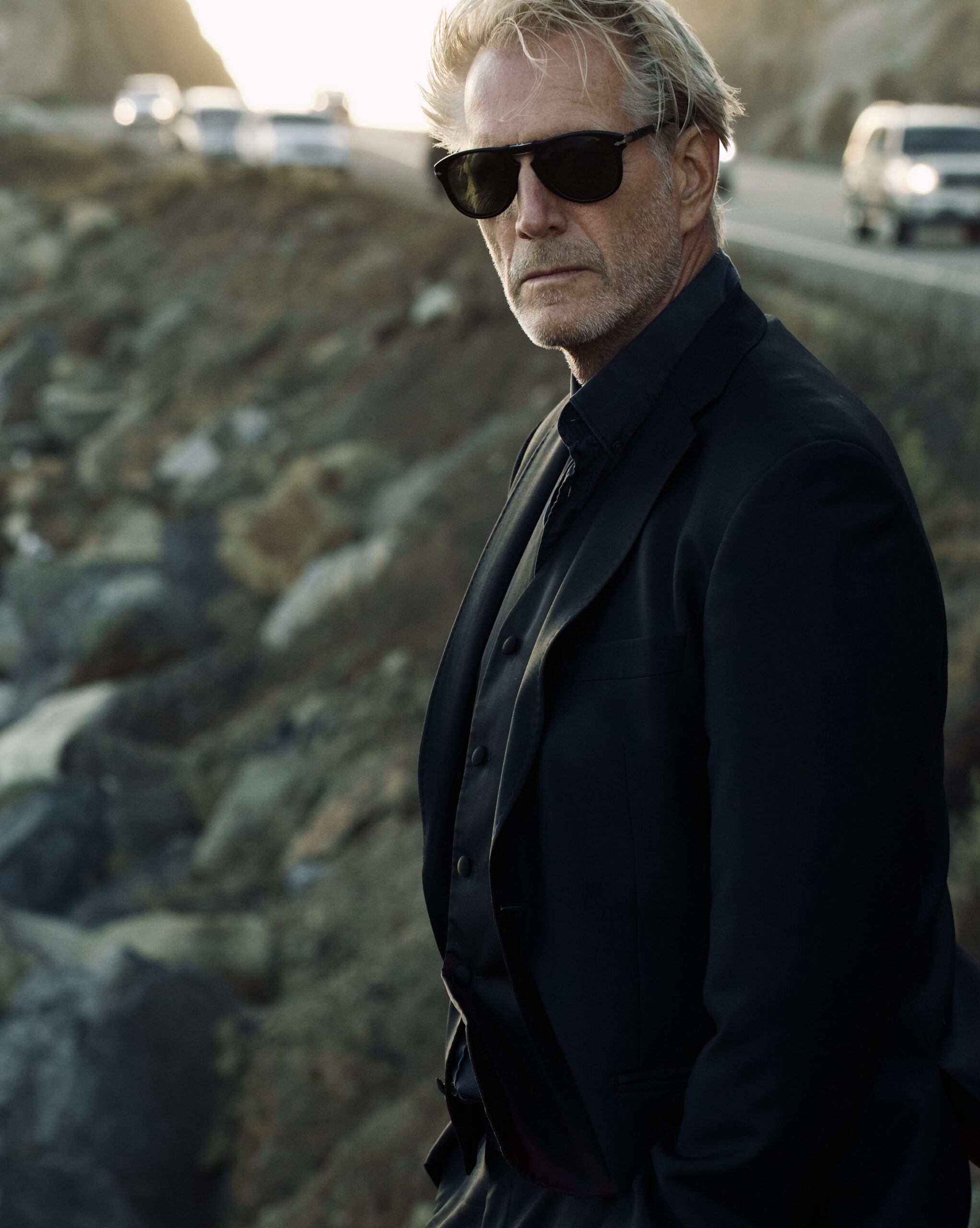
Photo courtesy of Hoyt Richards.
