

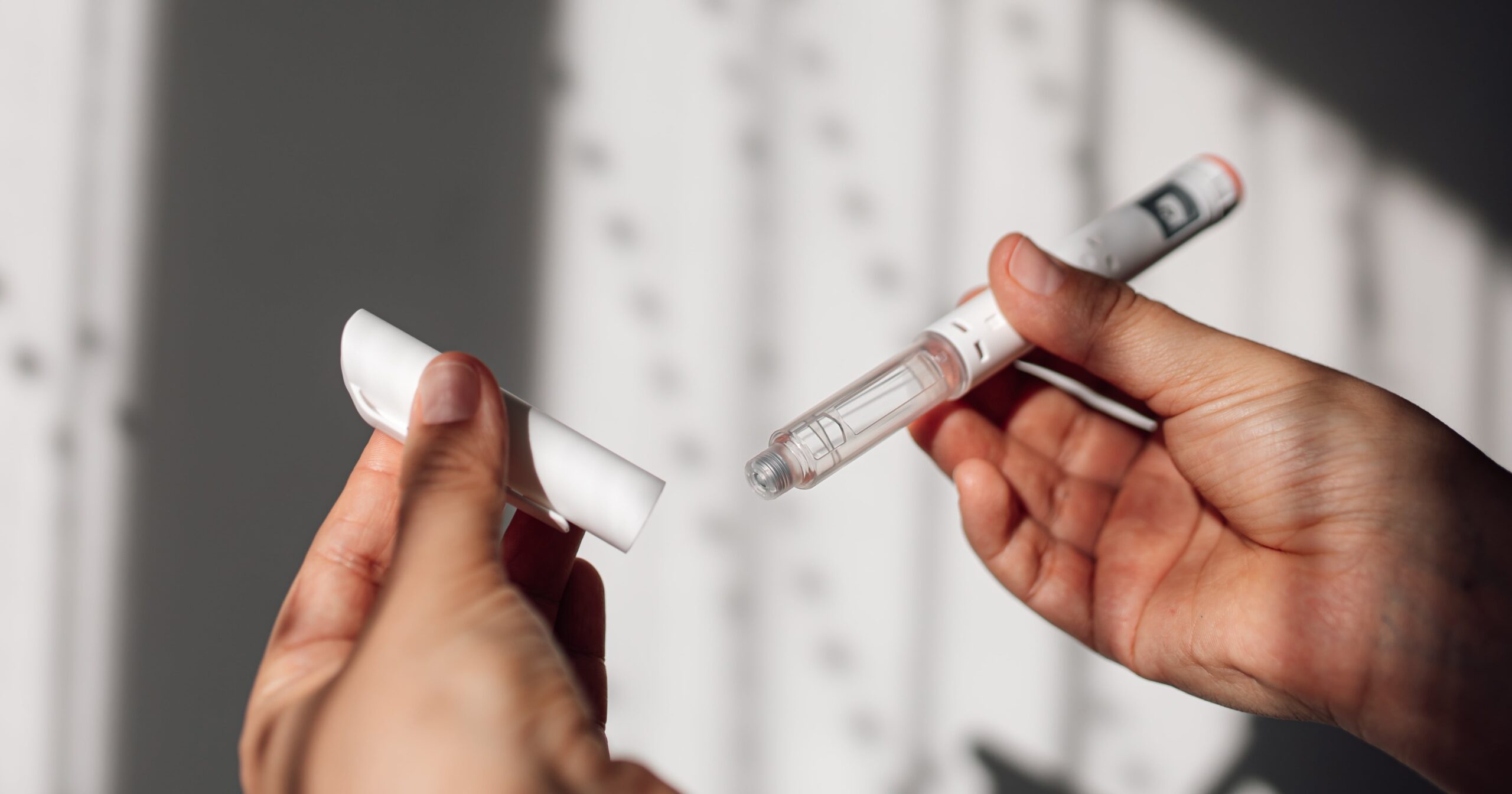
GLP-1 medications have completely reshaped the conversation around weight loss. For many people, they quiet constant “food noise,” make fullness cues feel more intuitive, and help build sustainable eating habits in a way that actually feels manageable. But anyone who’s taken a GLP-1 also knows the experience isn’t totally seamless: Along with the benefits can come unpleasant side effects like nausea, constipation, bloating, fatigue, and even muscle loss. That’s why many users end up developing a few personal “nonnegotiables” to set themselves up for optimal success.
First, a quick refresher: GLP-1 (glucagon-like peptide 1) is a naturally occurring hormone in the body that helps regulate blood sugar, appetite, and feelings of fullness, says endocrinologist Disha Narang, MD. GLP-1 medications work by mimicking this hormone. In doing so, they increase the amount of insulin your body releases after eating, while also slowing down digestion and signaling satiety to the brain. Together, those effects reduce appetite and food intake, ultimately leading to weight loss.
For many folks, those results can feel transformative in more ways than one. “For the first time in my life, I can actually eat and feel full without shame,” says Olivia, who’s been taking a GLP-1 for the past two years and has lost upwards of 30 pounds. “It’s been life-changing for me, and I have no intention of stopping anytime soon.”
Jennifer, who also started a GLP-1 two years ago to support her health goals, sees it as something that complements — not replaces — healthy habits. “I’ve always been one to regularly work out and focus on my nutrition, but going on a GLP-1 has been another great tool in my toolkit that’s supported me in losing excess weight when I otherwise felt stuck,” she tells Popsugar.
That said, these medications can come with a bit of a learning curve. As people adjust and find their rhythm, many settle into a few core habits to help them feel better, minimize side effects, and support long-term progress. Here are some of those nonnegotiables — all backed by a doctor.
Experts Featured in This Article
Disha Narang, MD, is an endocrinologist and director of obesity medicine at Endeavor Health.
A Protein-Forward Diet
Protein may be having a major moment right now, but for Jennifer, the macronutrient is less of a trend and more of a nonnegotiable for staying energized and properly fueled. “My hunger is suppressed while on a GLP-1, which can sometimes lead me to undereat if I’m not intentional about it, so I aim for at least 100 grams of protein each day,” she says.
In practice, this means she doesn’t wait for hunger cues to guide her intake. Instead, she makes a point of including 20 to 35 grams of protein throughout the day, whether in meals or snacks, to ensure she’s consistently meeting her needs. Most of that comes from whole foods like grilled chicken, cottage cheese, and eggs, but she also regularly drinks a Nurri protein shake to bridge any gaps, since each can contains 30 grams of protein.
Dr. Narang supports this strategy, explaining that adequate protein intake is essential for preserving lean muscle mass, enhancing satiety, and helping prevent fatigue when on a GLP-1.
Dialed-Up Hydration
“If I don’t have enough water, I’ll definitely end up with a headache, so my goal is to drink two to three liters of water a day,” Jennifer says. Olivia feels the same way, adding, “If I slack on my water intake, I will without a doubt feel inflamed, bloated, and just overall icky.”
Hydration matters for everyone (most people should aim for at least six to eight glasses of water per day), but Dr. Narang notes that it becomes even more important when you’re on a weight-loss medication. This is because GLP-1s can increase feelings of fullness, which may cause people to inadvertently drink less, resulting in dehydration and potentially more severe side effects, she explains.
To stay on top of her hydration, Jennifer keeps a large glass of water by her bed and makes it a point to finish it first thing every morning. She also likes adding an electrolyte packet in the afternoon to enhance hydration and add a bit more flavor. Olivia, on the other hand, keeps multiple filled water bottles around her home as a visual reminder to sip throughout the day, along with a sticky note at her desk to log overall intake.
Regular Strength Training
“Resistance exercise is critical for maintaining muscle mass, strength, metabolism, and long-term health while on a GLP-1,” Dr. Narang says. Current guidelines recommend strength training at least twice a week, with exercises that target all major muscle groups. Why? Because without it, the body is more likely to lose valuable lean muscle alongside fat, which can negatively impact strength, energy levels, and overall metabolic health over time, she explains. Plus, if you lose too much muscle mass, you also face an increased risk of developing conditions such as sarcopenia (low muscle mass and frailty), osteopenia (low bone density), and osteoporosis (weak, brittle bones). In other words, resistance training is absolutely nonnegotiable.
Knowing this, Jennifer lifts weights four times a week. “I’m a huge fan of Peloton, so I follow the Peloton strength-training program and have been able to maintain, and in some aspects, even increase my muscle mass,” she says. “Keeping up with strength training has been a big part of helping me feel strong, energized, and on track with my goals.”
Daily Fiber Supplements
According to Dr. Narang, some of the most common side effects of GLP-1 medications are gastrointestinal, with bloating, constipation, and diarrhea among the top complaints. This is tied to the way these medications slow digestion, causing food to remain in the stomach longer and move through the gut at a more gradual pace.
Given this shift, it’s not surprising that Olivia and Jennifer both turn to fiber supplements to help keep things regular. “One of my biggest nonnegotiables while on a GLP-1 is taking three Metamucil Fiber and Probiotic Gummies per day,” Olivia says. “They taste great, have no added sugar, and really help with my digestion, because without them, I definitely get constipated.”
Jennifer also makes sure to take a daily fiber supplement, alternating between Metamucil and Unicity Balance to help hit her goal of roughly 25 to 30 grams of fiber per day. As she puts it, it’s an “easy way to stay consistent” and keep digestion on track.
With all that said, going on a GLP-1 is a deeply personal experience, so what feels nonnegotiable for you might not matter as much for someone else — and vice versa. “GLP-1s are not a one-size-fits-all approach,” Dr. Narang says. “These medications work best as part of a comprehensive, sustainable lifestyle, but for the right person, they can be transformative.”
GoodRx for Weight Loss* makes GLP-1 care simpler. For $39 per month, connect online with a licensed healthcare provider who can evaluate your needs and, if appropriate, prescribe an FDA-approved GLP-1. Pick up at nearly any pharmacy nationwide or choose convenient home delivery. Get started here.
*GoodRx is not insurance.
Andi Breitowich is a Chicago-based freelance writer and graduate from Emory University and Northwestern University’s Medill School of Journalism. Her work has appeared in PS, Women’s Health, Cosmopolitan, and elsewhere.
