

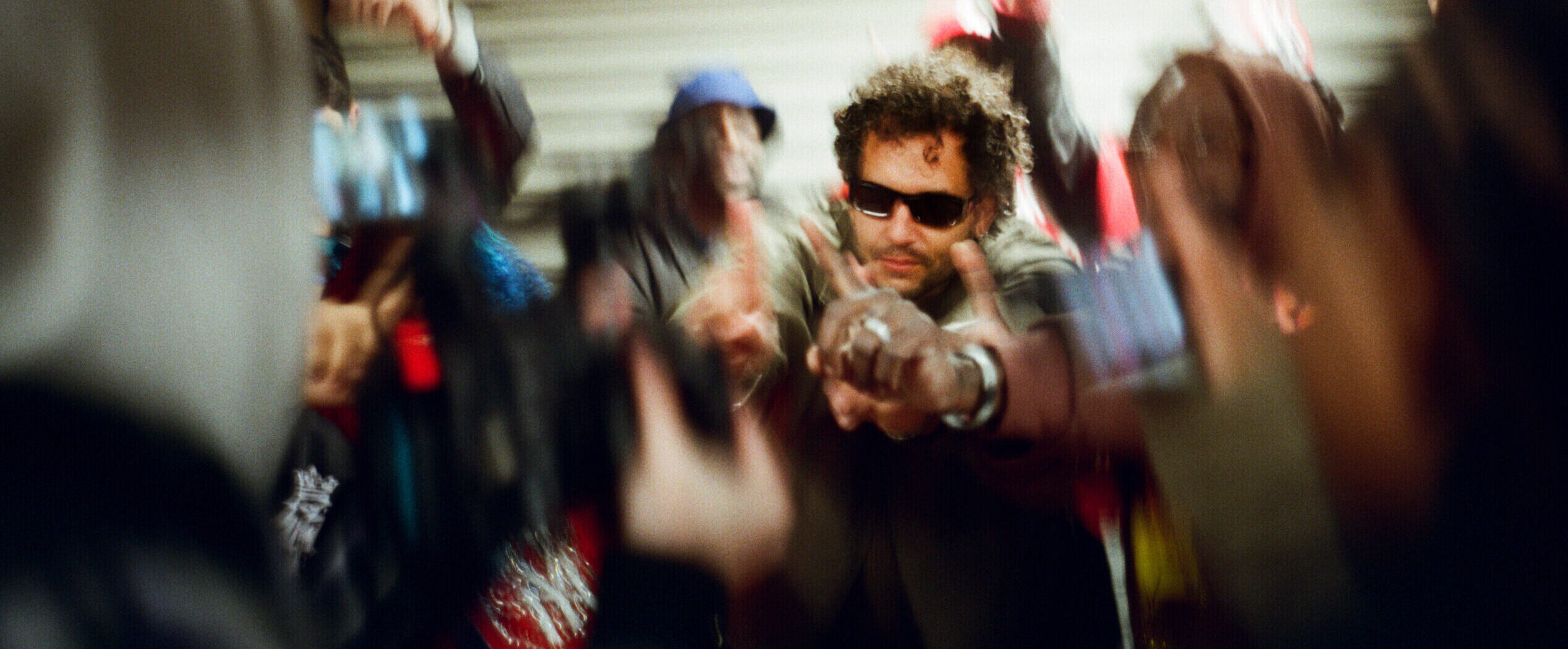
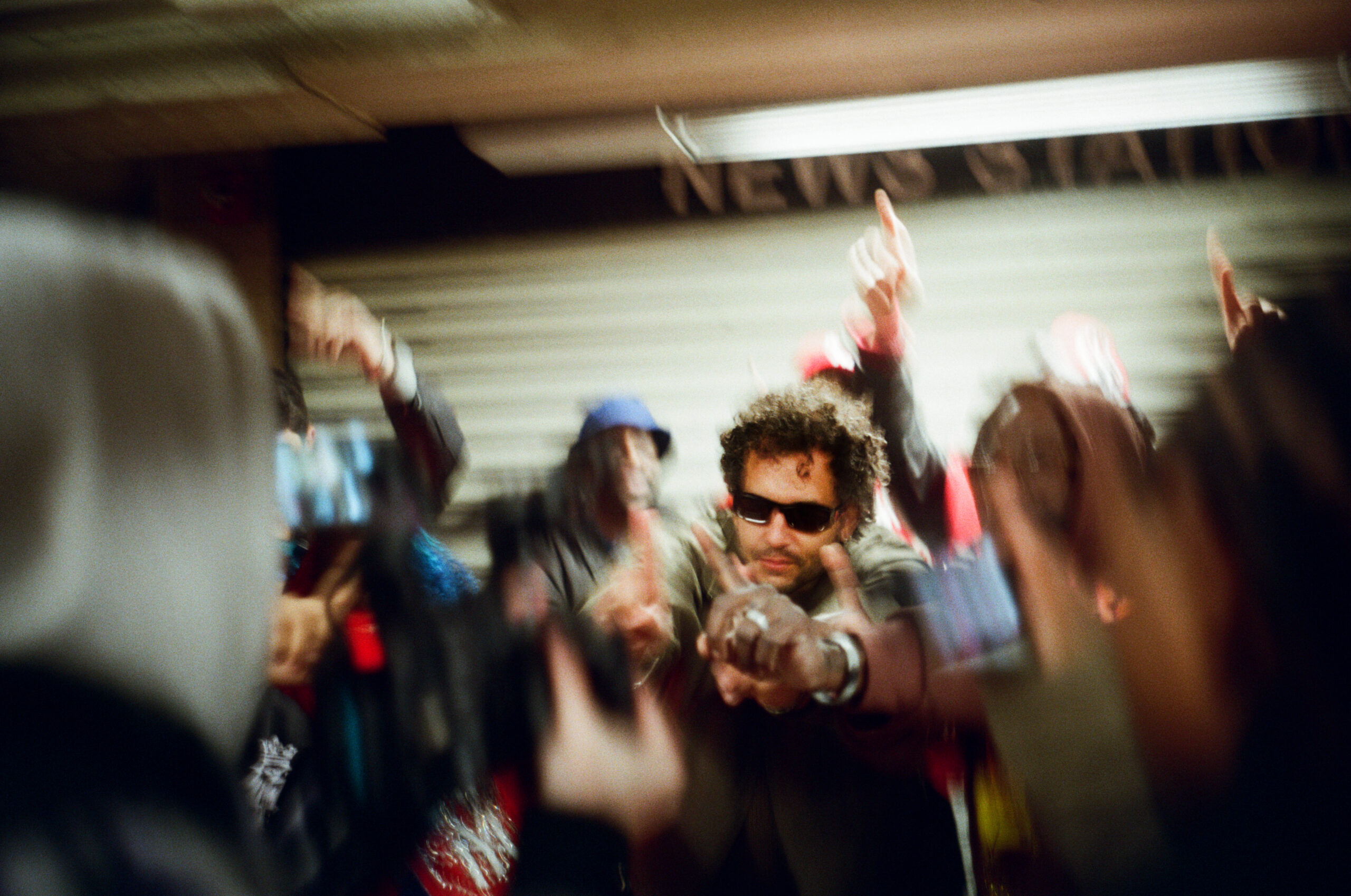
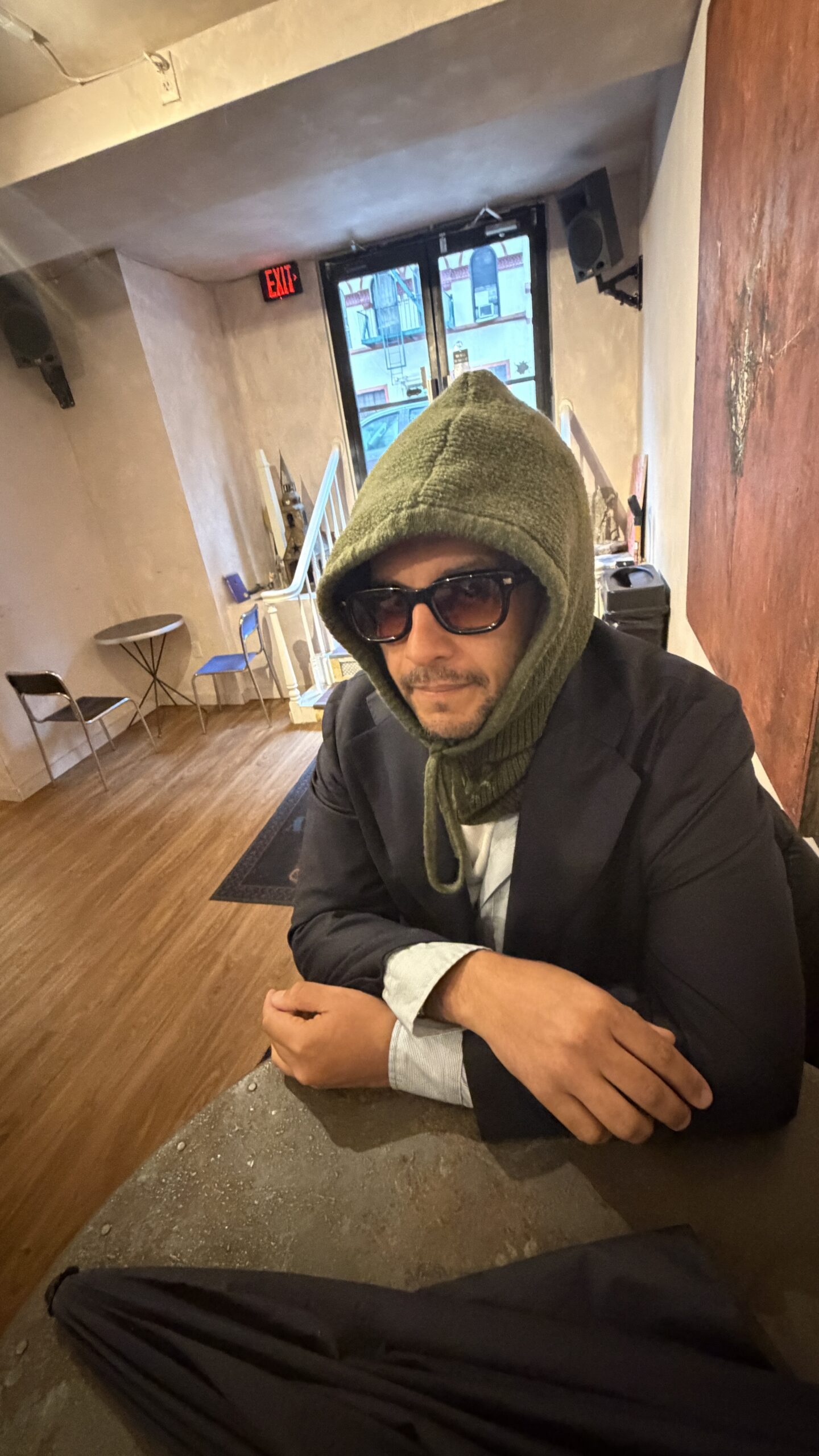
All photos courtesy of Kareem Rahma.
“I’m going to jam 10 to 15 years into five years. I’m going to rip through this thing.” That was Kareem Rahma’s mindset when, in his early 30s with the world around him falling apart, he walked away from a career in corporate media to become an entertainer. What followed is now the stuff of content-creation legend: Keep the Meter Running, Subway Takes, and billions of views built on the simple idea that everyone is interesting. Now Keep the Meter Running—the show that launched Rahma’s second career before Subway Takes made him ubiquitous—is back on YouTube, in a new longform show that lets us spend more time with him and the cabbies taking him to their favorite corners of the city. To talk about all of it, we teamed up once again with Maury Povich, who stepped back into his interviewer’s chair—something he does weekly on his podcast On Par with Maury Povich—and found he had more in common with Rahma than either of them expected.
———
WEDNESDAY, 3:30 PM, MAY 6, 2026, NEW YORK
———
KAREEM RAHMA: Where are you?
MAURY POVICH: I don’t know where I am.
RAHMA: No, where are you physically?
POVICH: I’m in New York.
RAHMA: Oh, I hear you, but I don’t see you.
POVICH: Apparently they don’t need to see us, but I’d like to see you. You got a pretty face. Let me see if I can get to me on the screen.
RAHMA: Well, you have a very good voice for radio, even though I know you were on TV for a very long time.
POVICH: I started in radio. Everybody started in radio back in my day. You couldn’t get on TV unless you were in radio.
RAHMA: That makes a lot of sense.
POVICH: So Kareem, you couldn’t just stay with Subway Takes. You just had to go further and substitute subways for cabs.
RAHMA: Keep the Meter actually started before Subway Takes.
POVICH: I know it did. But now you’re in a big YouTube series, and you have this huge production budget, millions of dollars.
RAHMA: [Laughs] It’s definitely not millions of dollars. But you know when you’re dating someone, but you always think about this other person? That’s kind of what it was like with Keep the Meter Running. Subway Takes is absolutely my main person, but in the back of my mind I’m like, “Man, I miss driving around with these cabbies and going on these crazy adventures.” There’s a little more danger to it.
POVICH: You tell me whether you found the same thing but, to me, cab drivers in New York City are much more conversant than Uber drivers. Why do you think that is? Maybe they’ve been at it longer.
RAHMA: They don’t know your name. I actually think that might be what it is. Because Uber picks you up and they go, “Kareem?” And you go, “Yep.” And then you go off. But with the cabbie, you get in and he says, “Where are you going?” You go, “Take me to 30 Rock.” “Why are you going to 30 Rock?” “Oh, I’m going to be on TV today.” Then it’s like, “Oh, really? Who are you?”
POVICH: Yeah. I’ve gotten the, “Don’t I know you?” And half of them say, “Aren’t you Jerry Springer?”
RAHMA: Oh, that’s so funny. Well, you know what else it is, you can’t rate them. So I think the Uber guys are afraid to be annoying, and the cabbies are like, “I don’t give a fuck. I’m never going to see this guy again.”
POVICH: Have you ever had a crazy experience?
RAHMA: I had a guy save my life once.
POVICH: Really? How did he do that?
RAHMA: Well, I was really young and I decided to take a road trip from Minneapolis to Chicago. I got to Chicago at about midnight, which is not a good time to get anywhere, but I was like, “Let me get up to no good.” So I found myself asking a cab driver to take me to a place about an hour and a half away from Chicago.
POVICH: A woman was probably involved, but that’s okay.
RAHMA: Let’s just say there were factors [Laughs]. The destination, which I didn’t know, was a strip mall. The driver was like, “Are you sure this is the place?” It was pitch black in the middle of nowhere and he dropped me off, and then I was like, “Alright, have a good one.” I went into this place, and it was really dark, like a drug den. Not the good kind of drugs either. And this guy immediately was like, “Give me $200.” And then I was like, “I got to get out of here.” So I ran outside, and all I hear is tires screeching, and the guy’s like, “Get in, get in!” The cabbie, he stayed.
POVICH: Wow.
RAHMA: And I was like, “Why’d you stay?” And he was like, “I had a bad feeling.” And I was like, “Well, you were fucking right.” He came to the rescue and drove me back to Chicago, and I ended up spending about $450 that night on cabs.
POVICH: Everybody should know that cabs are dear to you, because even though your father died at the age of 21—
RAHMA: He drove a cab for around the first five or six years of my life.
POVICH: Right. You came to this country when you were very young. You couldn’t speak English. I haven’t ever asked anybody about what it was like in a strange country.
RAHMA: It was a different time in Minnesota. It was a great place to grow up, but I grew up in a very white community. At school, I got bullied. I got punched in the face for not speaking English. I very quickly was like, “I need to learn how to be a person that people like.” So that’s where my initial sense of humor came from, is to avoid getting punched in the face.
POVICH: Have you ever been back to Egypt?
RAHMA: Yeah, I go once or twice a year, actually. I have an affinity for Cairo. It’s an amazing and underrated city that more people should go to. Have you been?
POVICH: Well, believe it or not, 27 years ago, I did a primetime special for Fox with the great archeologist, Zahi Hawass, and we opened up a brand new burial shaft at Giza and found new mummies.
RAHMA: What? Maury Povich found new mummies?
POVICH: I found new mummies. So, I had a great time in Egypt. Cairo, I’d never seen anything so big and so crowded.
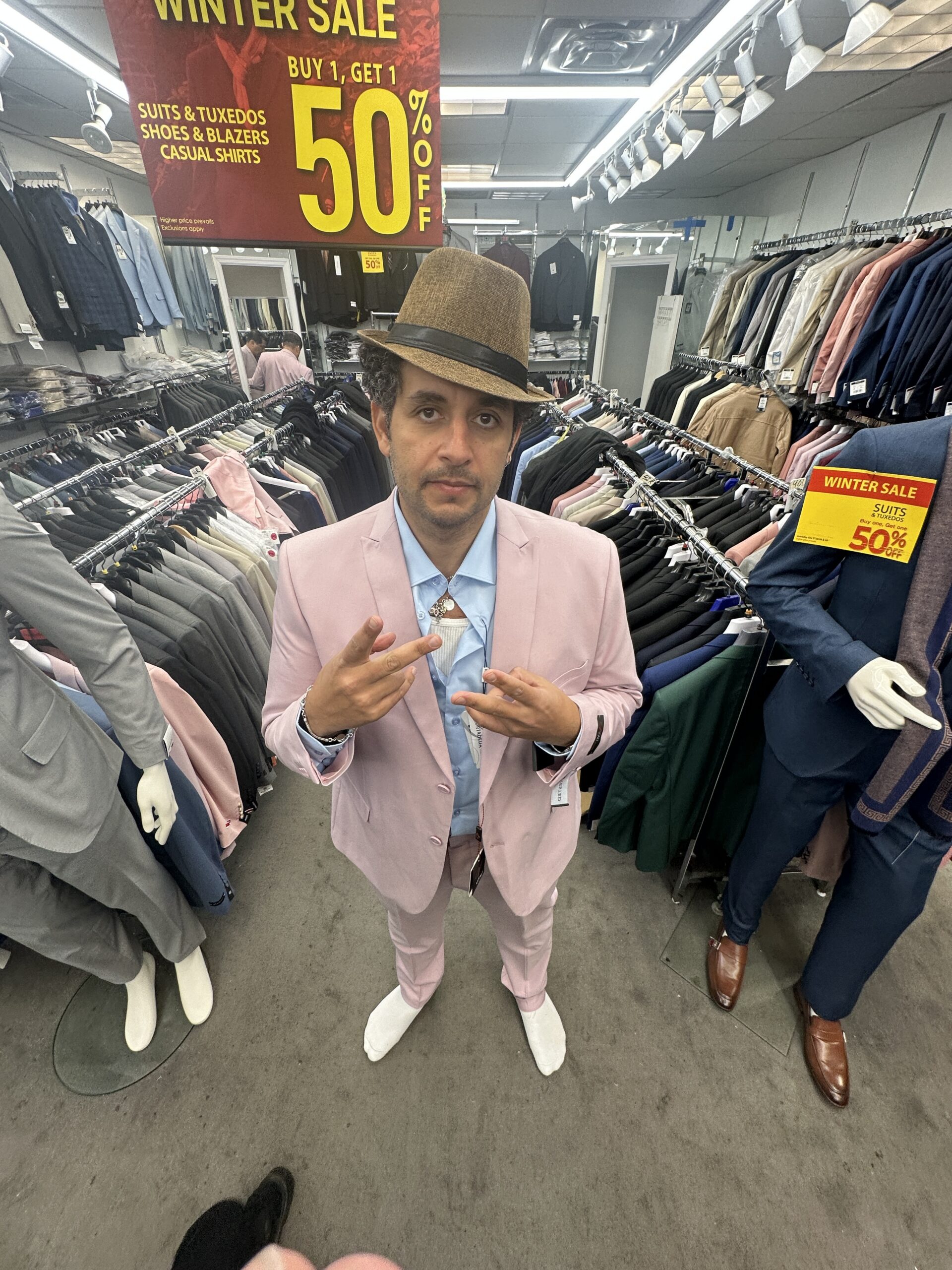
RAHMA: It’s still like that. It’s actually probably exactly the same as how you saw it.
POVICH: And you’ve kind of recommitted to your faith, haven’t you?
RAHMA: I don’t know. I guess it is probably stronger than it’s ever been. And I’m working it out in the cabs, too.
POVICH: I live on the Upper West Side, and there are some mosques up here. You wouldn’t believe the number of cabs on a Friday evening that are parked. Forget double-parked—triple-parked.
RAHMA: Well, that is a very common problem at every mosque. They really don’t care about parking.
POVICH: Terrific.
RAHMA: The Imam, the guy who leads the prayer, often has to interrupt the prayer and say, “Will the owner of the red Honda Civic please, for the love of god, move your car?”
POVICH: I never get upset because I always say to myself, “Wow, I’m really happy that people are very observant of their religion.”
RAHMA: Are you religious?
POVICH: When it comes to American Jews, we mostly think of Judaism in a cultural way rather than a strictly religious way.
RAHMA: That’s really true because there’s a trademark sense of humor. I remember Seinfeld, I was watching it when I was in Minnesota and I was like, “This is funny,” but I had no idea. I wasn’t Jewish and I wasn’t a New Yorker.
POVICH: You were kind of flailing until you were in your early 30s. You and I are parallel in terms of that part of our lives. I told my father when I was 30 or 31, “I’m not happy.” And my father looked at me and he said, “Let me tell you something, son. The Declaration of Independence gave you the right to pursue happiness. It did not give you a right to be happy.”
RAHMA: [Laughs] That’s amazing.
POVICH: At the time, I was mad at him. How dare you dismiss my being unhappy? So let’s talk about your early 30s and what was going on. What happened?
RAHMA: I came to New York when I was 25. There was a time when people came to New York for the pursuit of greatness, and then there was a time when people just came. I was one of the people that just came. I miraculously landed a job at Vice, which was the hottest media company in the world.
POVICH: Yes, it was.
RAHMA: I wasn’t even interested in media. I was just interested in a job. And it was a great job. That was my first interaction with media and video content and with the internet and entertainment. So I really credit my experience at Vice for setting something off in my head where it was like, “Oh, this is an interesting career path that I could take.” And from there, I went to The New York Times.
POVICH: By the way, it was in the early days of digital.
RAHMA: I was part of something called the digital transformation. I remember that I went to a talk at The New York Times that was hosted by the Netflix CEO. He was trying to explain to the Times that you might have to destroy the physical newspaper, or at least make it the secondary thing, versus whatever’s on the internet. I already knew that, but a lot of the executives and a lot of the top editors were a little shocked.
POVICH: Yeah, and probably resistant. So then, now you’re in your early 30s, and are you confused or depressed, or both?
RAHMA: Just depressed. I had massive imposter syndrome, and I hated the idea of sending emails back and forth for a living for the rest of my life.
POVICH: I think I felt the same way in my 30s.
RAHMA: You want someone to love you, or a lot of people to love you. I was like, “I’m destined for greater things. I should stand out. I deserve more than being just a cog in the machine.”
POVICH: What was the breakthrough?
RAHMA: There was a moment where my brother was in the hospital dying, and then I also got a divorce, and I also found myself back at home in Minnesota, and it was during the George Floyd protests.
POVICH: Oh, yeah, you got involved in that aftermath.
RAHMA: I did. It felt like Garden State. I was home for the first time in so many years, and my brother’s in the hospital. I can’t visit him because of COVID. And then George Floyd gets murdered, and I get up out of my chair, and I just go to the protests. For the next three months, I lost myself to the cause and I was very activated and focused on this activism in my hometown. I had a total midlife enlightenment and I was becoming a different person rapidly. I was like, “You know what? I’m going to become an entertainer, and I’m going to give myself five years. I’m going to jam 10 to 15 years into that five years. I’m going to rip through this thing. I’m not going to be embarrassed. I’m going to be cringe. People are going to make fun of me, and I don’t care.” Maybe now I would be like, “I’m too old.” But at that point, I was like, “If I can do this, I’ll have just snuck in.”
POVICH: How did Subway Takes come about?
RAHMA: Keep the Meter Running. I had this idea to make a TV show for the internet, and I did it with my friend Adam Faze, who produced the first season. That was massively successful, right away. And the reason it got me to Subway Takes is because when you tell a taxi driver to keep the meter running, they will do it. And at that point, I was spending out of my own pocket like $2,000. The meter might cost me $700, food might cost me $250, the editor might cost me $600, the shooters might cost me $300 bucks, whatever. It was too expensive. And the idea for Subway Takes came about because it’s less expensive. The subway is a free set. That was the reason. Not because I was like, “Oh, this is a novel idea.” It was out of need.
POVICH: So, I interviewed Ed Burns and he told me when he was doing Brothers McMullen, they had no money, so they shot all this stuff in Central Park.
RAHMA: The constraints force you to be creative with what you’re doing. Even if they’re self-inflicted, they force you to come up with new ways of doing things that somebody else might not have thought about. If I would have had money, I probably would have never put it on the subway.
POVICH: Where did you get the “hot take” idea?
RAHMA: That, I don’t even know, man. Honestly, it came out of another set of failures where I was producing podcasts and people were always asking me why I don’t have my own podcast. And I would be like, “Well, I don’t know. I don’t really need one. But why do you want one?” And they would always say, “I need the clip for my Instagram.” So I was like, “What if there was no podcast and we could just focus all of our energy on the clips?” That’s really where I was like, “What’s a short, nice little thing that I can say where the clip is the episode?”
POVICH: Then celebrities find out about this thing.
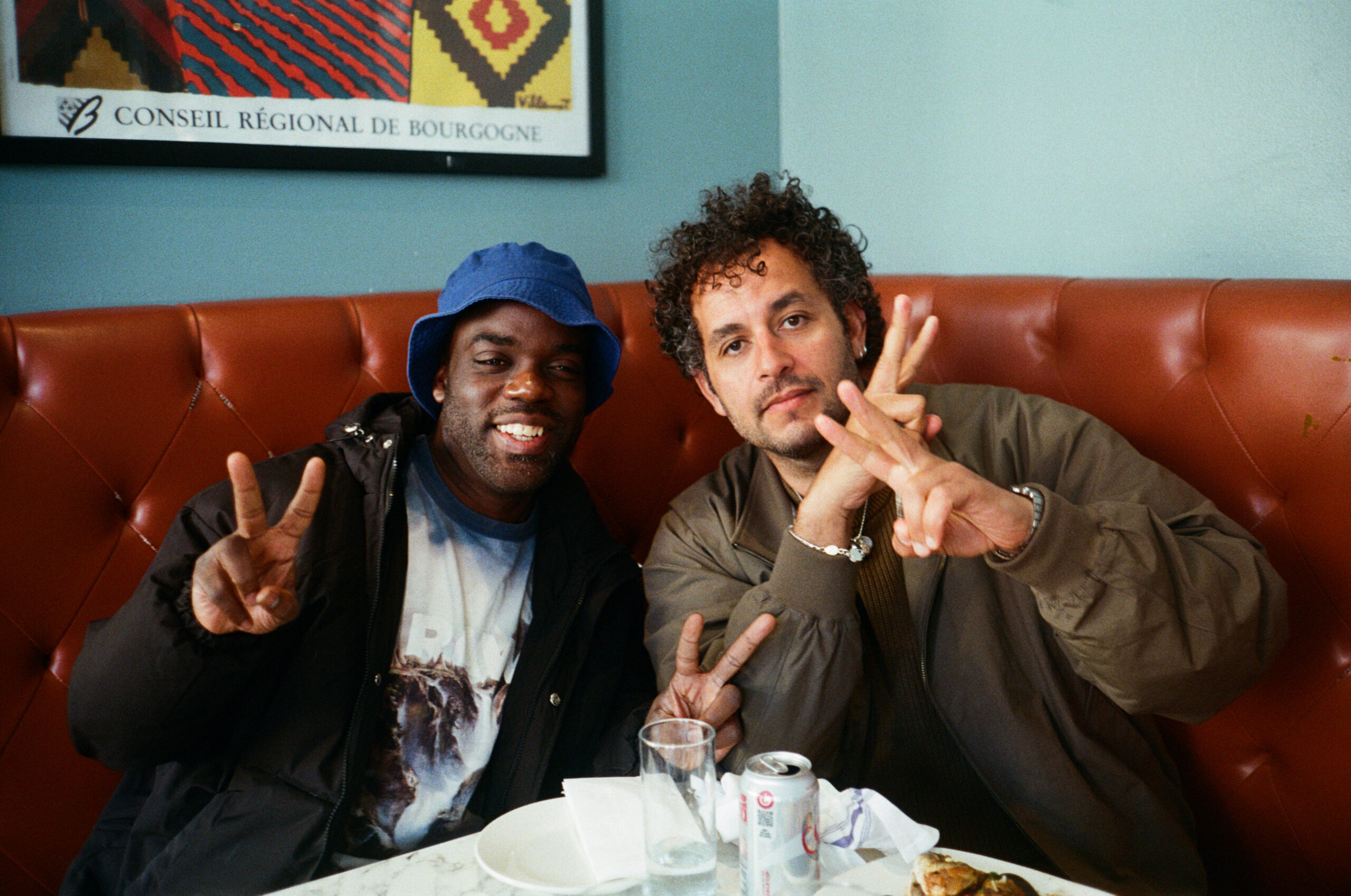
RAHMA: They did.
POVICH: Did that make you feel good?
RAHMA: It made me feel great. I had a tough dad who never really gave me a pat on the back when I definitely deserved a pat on the back. So anytime there was external validation, I would feel more motivated to keep going.
POVICH: I think your Muslim dad, my Jewish dad, had the same philosophy when it came to sons.
RAHMA: Well, they’re never satisfied. Or if they are satisfied, they don’t tell you that they’re satisfied.
POVICH: Because they think you’re going to get a big head or something.
RAHMA: It’s so true. Was there a turning point for you where you felt successful?
POVICH: I have a little different experience because I married a woman 40 years ago, who was on the lips of every man in the country, named Connie Chung. She was making 10 times more money than I was, and I was basically Mr. Chung, just a local anchorman. I thought I had a pretty good life, but next to her it was nothing. I don’t think I ever felt successful until I came to New York, which I had avoided all of my life because… And by the way, this is your interview. I avoided it because I thought New York viewers, if you’re on television, boy, they ate you up and spit you out so fast.
RAHMA: You were afraid of The New York Post.
POVICH: Oh, god, yeah. And then when I came here, I felt better because I did this show called A Current Affair and it was owned by Rupert Murdoch. So I kind of was protected from The New York Post.
RAHMA: That’s great.
POVICH: Look, you’re very successful at a much earlier age than I was successful. I wasn’t successful until I was almost 50.
RAHMA: But see, the thing is, I don’t feel successful.
POVICH: Well, now you’ve got a problem.
RAHMA: Do you feel successful?
POVICH: I feel more successful now that I’ve stopped the talk show four years ago than I ever did, because more people come up to me to talk about them watching the show. More than anybody ever did while I was doing the show.
RAHMA: That’s so funny.
POVICH: And all these celebrities and athletes, I never thought I had that kind of penetration.
RAHMA: Dude, I watched the show for a very long time.
POVICH: I was on a talk show recently. I’m walking down the hall, and all of a sudden this guy gives me this big hug, and I finally look at him and he says, “My man.” It’s 50 Cent.
RAHMA: That’s awesome. That’s a good diverse audience.
POVICH: You came to America as an immigrant, correct?
RAHMA: Yeah.
POVICH: You were not a citizen, correct?
RAHMA: I was technically, even though I was born in Cairo. Back then, if one of your parents was an American, you automatically were an American. So I was born in Cairo, but I immediately got a U.S. passport. My father came in 1969.
POVICH: Oh, I see. So he became a naturalized citizen, and then therefore you were. So, do you get caught up in, especially from Minnesota, all this deportation nonsense?
RAHMA: Totally. And I have so many friends and people that are very close to me that are being affected by what’s happening right now. One of the reasons that Keep the Meter Running is such a compelling show is because of its focus on immigrants and the positive contributions that they make to our society. Also, the fact that they’re just chilling, man. Most of them are here to work and achieve a piece of the American dream because it’s almost impossible to achieve the full thing now. You can get a little piece of the American dream, even if that piece is freedom of speech or freedom of religion or freedom to do your job and just live. I think the show is so compelling to so many people because they don’t really see a lot of joy around these communities. It would be very easy for me to make 10 episodes of sad guys being like, “I’m a cabbie. I’m in debt.” And that’s the reality for a lot of them. But the reality for a lot of the other ones are that they’re living happy lives.
POVICH: I know Keep the Meter Running is brand new on YouTube, and I congratulate you because I know you’re going to knock it out of the park.
RAHMA: Thank you.
POVICH: Do you have any ideas for anything else?
RAHMA: Well, should we bring Maury back to YouTube? I’ll executive produce Maury.
POVICH: [Laughs] It’s been great talking to you. And quite frankly, I didn’t know what the shit I was doing at 39.
RAHMA: Okay, so there’s hope.
