

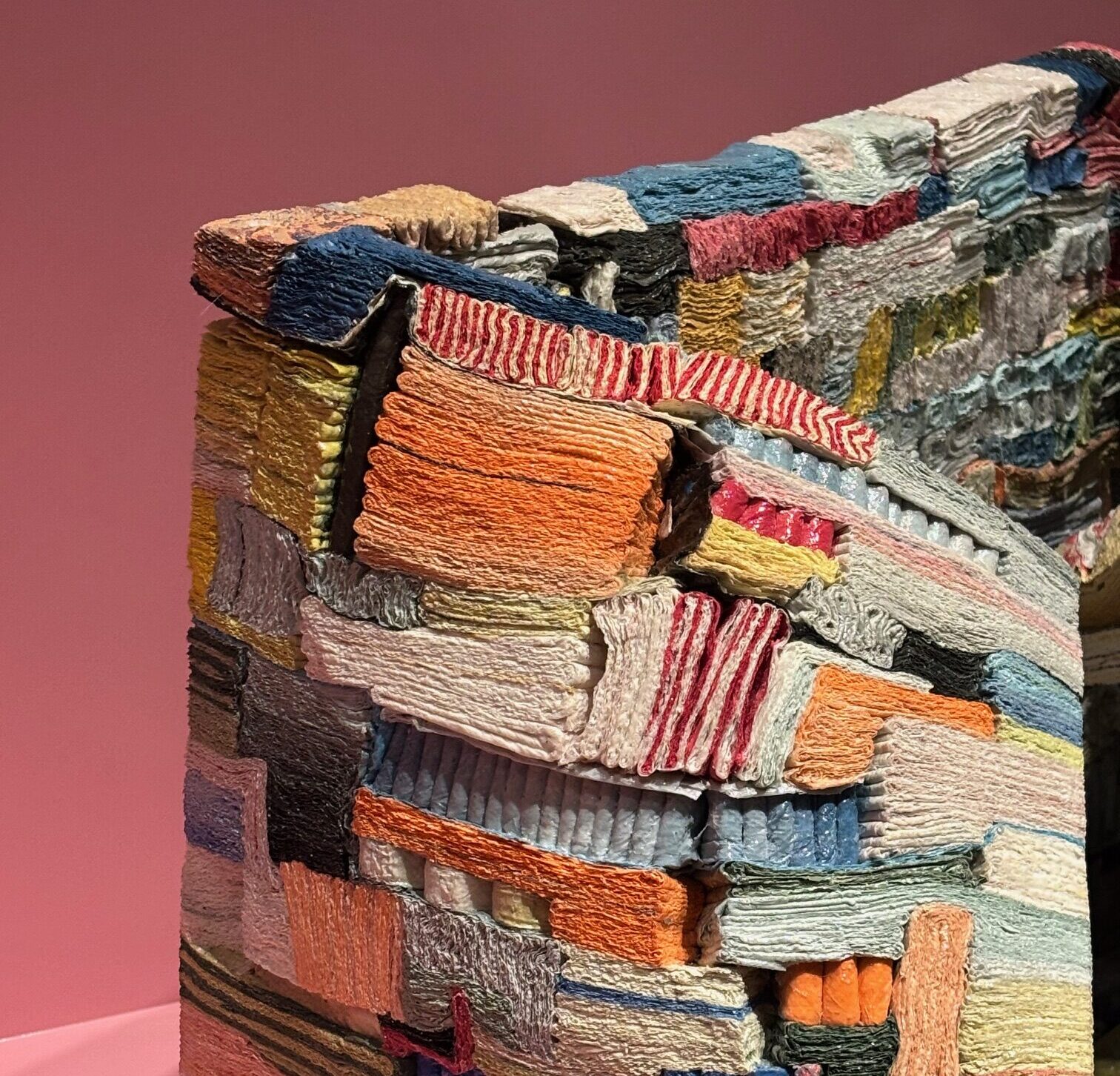

Photos by Christopher Bollen.
A week after the art world convened in Venice to riots, revolts, and the festival’s jury resigning en masse (none of that necessarily bad for art), a very different kind of art gathering assembled in Singapore to celebrate the world of contemporary craft. Now in its ninth year, The Loewe Craft Prize, offered a very different study in the global art community: optimistic, medium and technique-oriented, highly positive in its global ambitions, and while not void of political implications, far less prone to a meltdown.
———
TUESDAY 7:45 PM, MAY 12 2026, SINGAPORE
———
Craft has become fashion’s favorite byword of late. But it is arguably Loewe—both the 180-year-old Spanish brand and its sister institution, the non-profit Loewe Foundation—that brought this focus on artisan savoir faire to the fore. This year, thirty finalists exhibited their work—selected from more than five-thousand submissions—and while ceramics has tended to dominate, the staggering amount of materials and skill sets gave the healthy sense of biodiversity when it comes to craft and design. (Art always seems to question its own existence; craft always seems to provide clear answers to as where it comes from and the directions its headed). 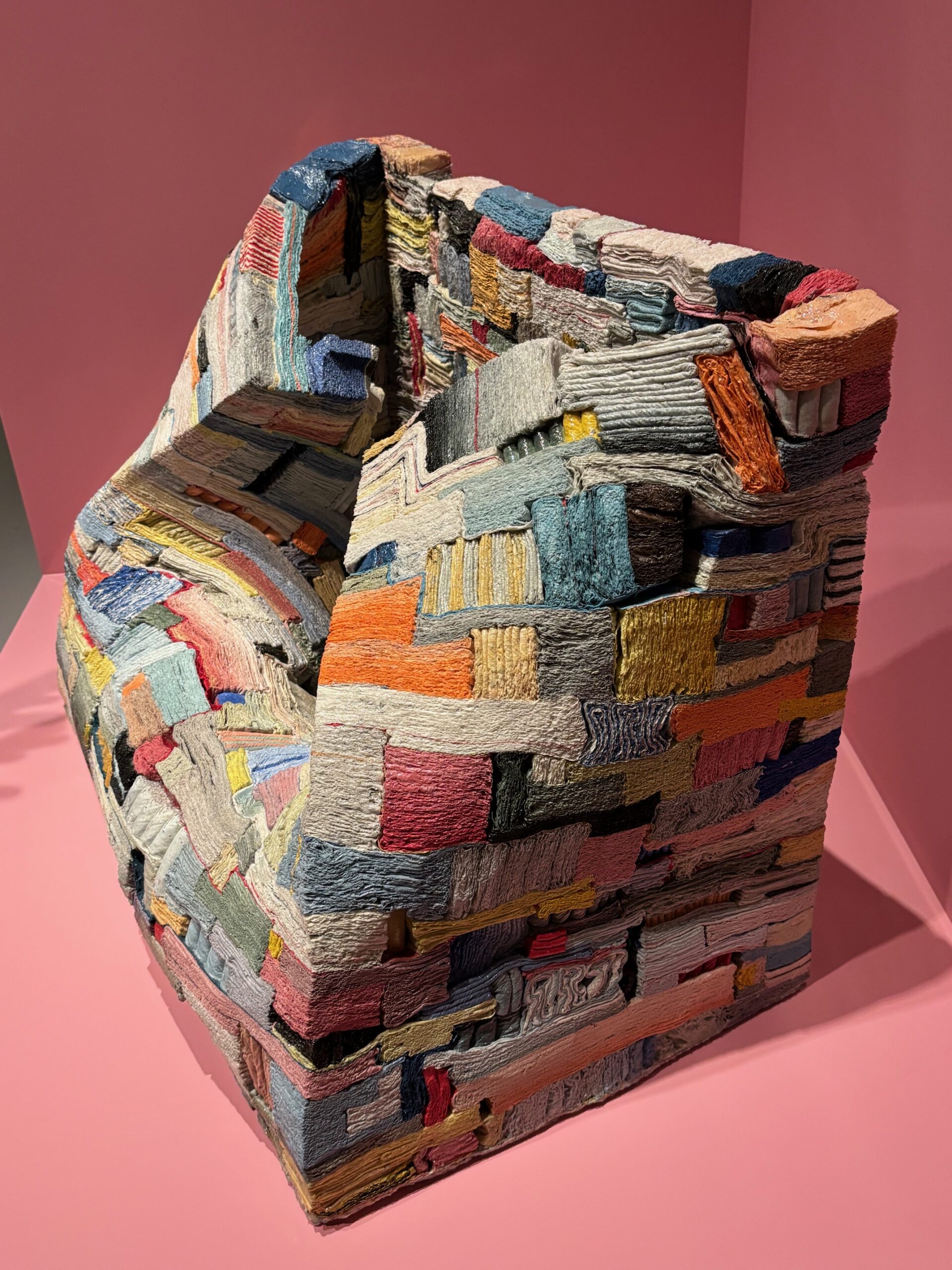
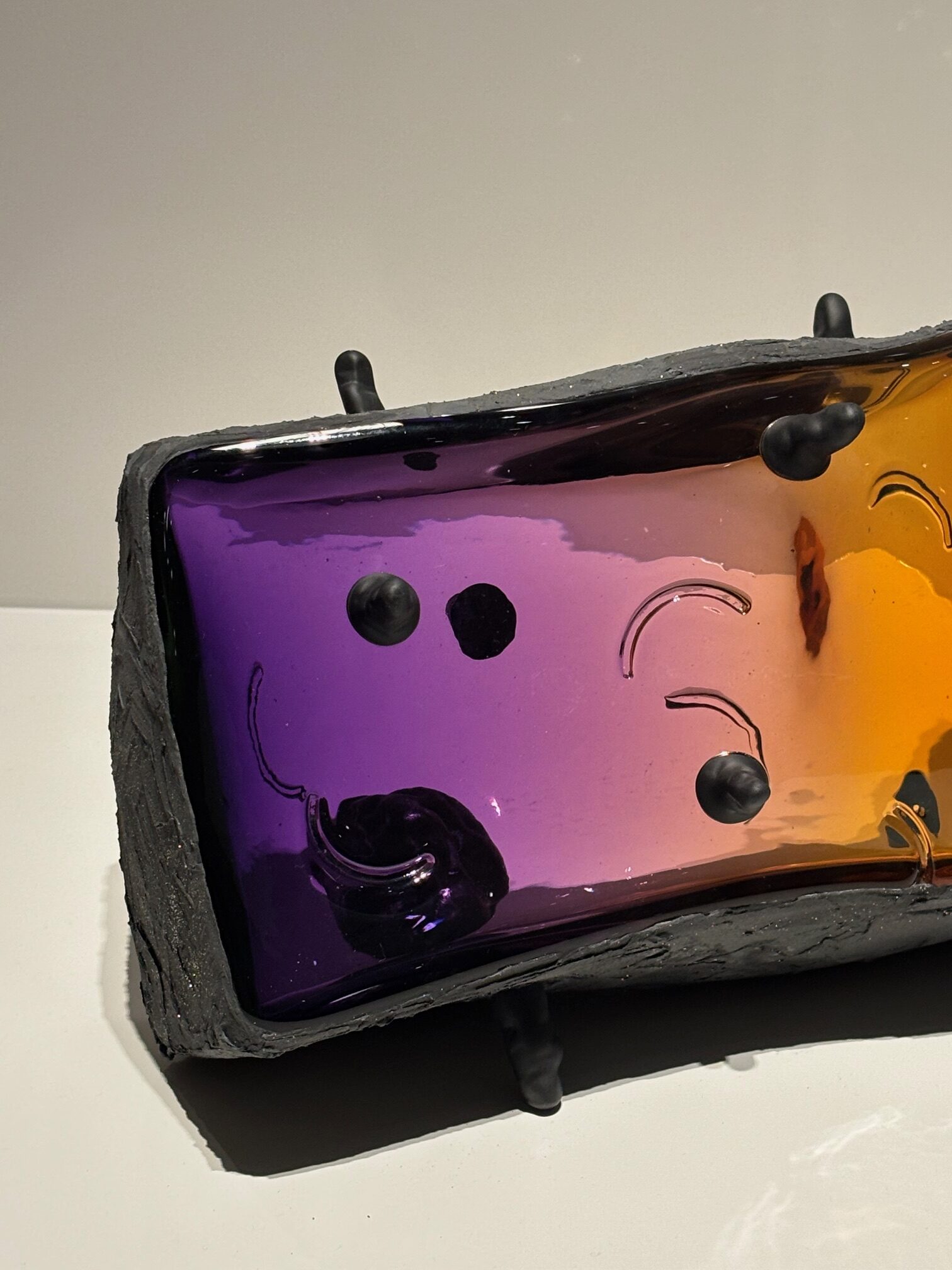

This year’s many standouts include a large floating glass work of new and recycled glass that looked like a human viscera by the Denmark-based Russian artist Maria Koshenkiva; an elephant grass tapestry conjointly produced by a Ghanaian women’s collective of weavers and Spanish designer Álvaro Catalán Ocón; a spiked vessel made of cement and recycled cotton by Brazilian artist Vivi Rosa.
Sheila Loewe, the President of the Foundation, understands that beyond the outward beauty and fun of the show, one key goal of the Prize is to “preserve skills and techniques that are “part of a cultural heritage. Once you lose those forms of knowledge, they’re gone forever.” But it also isn’t backward-looking. One of Ms. Loewe’s favorite works was a large sheet of steel rolled into a Richard Serra-like drum, which the UK artist Jobe Burns connected to the industrial craftsmanship of factory labor. “That’s not something you’d usually expect in traditional crafts,” Loewe explains. 

Among the twenty jurors on hand were two brand-new initiates: Loewe’s new designers Jack McCollough and Lazaro Hernandez. Their influence in this year’s exhibition was found in the bold colors and eclectic materials. “We’ve always found inspiration in the world of craft, Hernandez says. “And it’s very Loewe to look far beyond the atelier.” In the final hour of opening night, the Prize was awarded to Korean ceramist Jongjin Park, who created a patchwork vessel cast from layers of folded paper. In the end, though, the show felt less about individuality and more about the open gestures of countries, continents, and artists groups. As juror Abraham Thomas, the Met curator in Architecture, Design, and Decorative Arts, said, “Craft doesn’t live in isolation. It’s not just a gesture of a single person.”
